
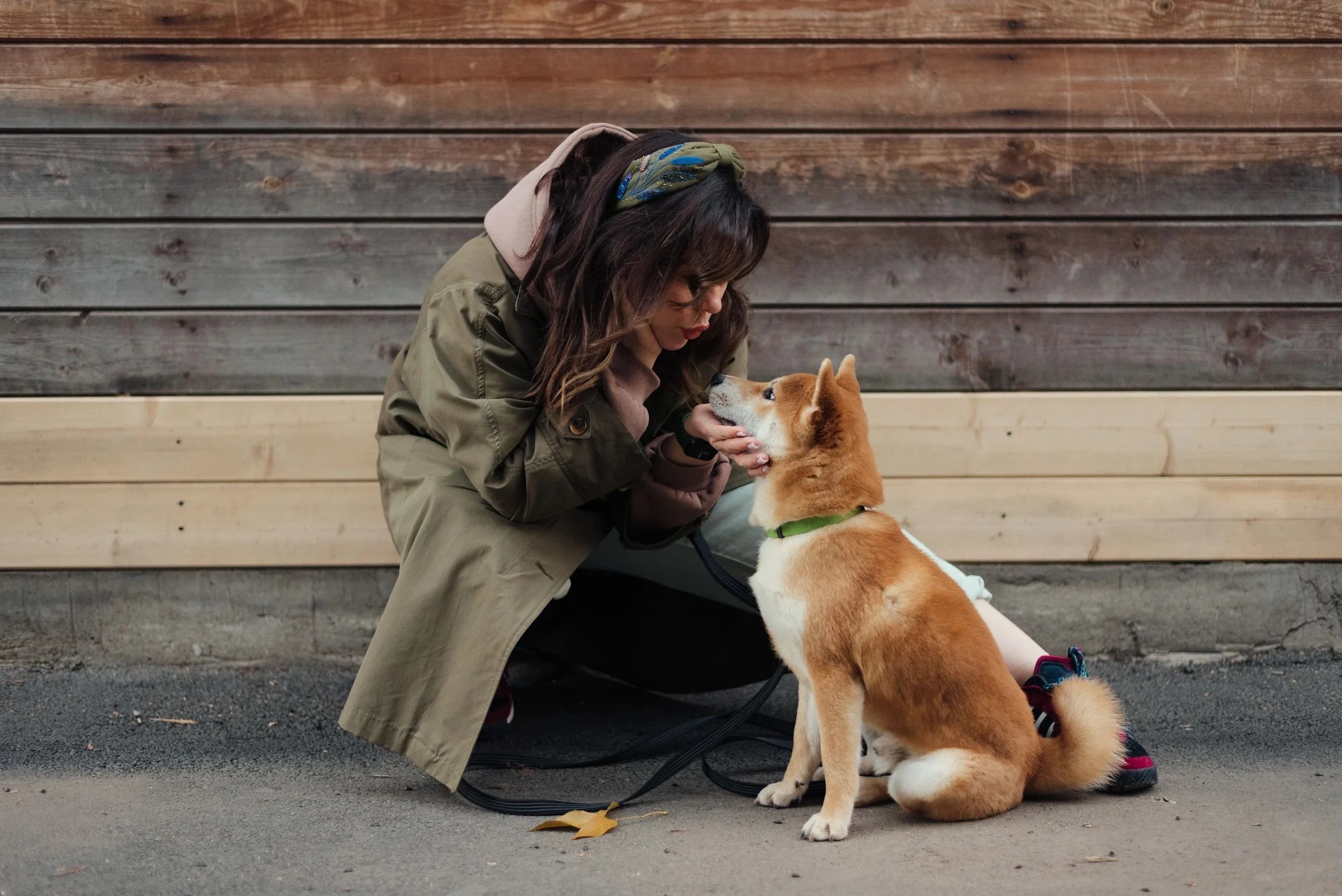
Modern Dog Training Deserves Better Than This
A recent Guardian article captured the frustration of living with a difficult dog. Some of it was right. But incomplete advice creates another generation of owners chasing control instead of understanding. Here's what was missing.
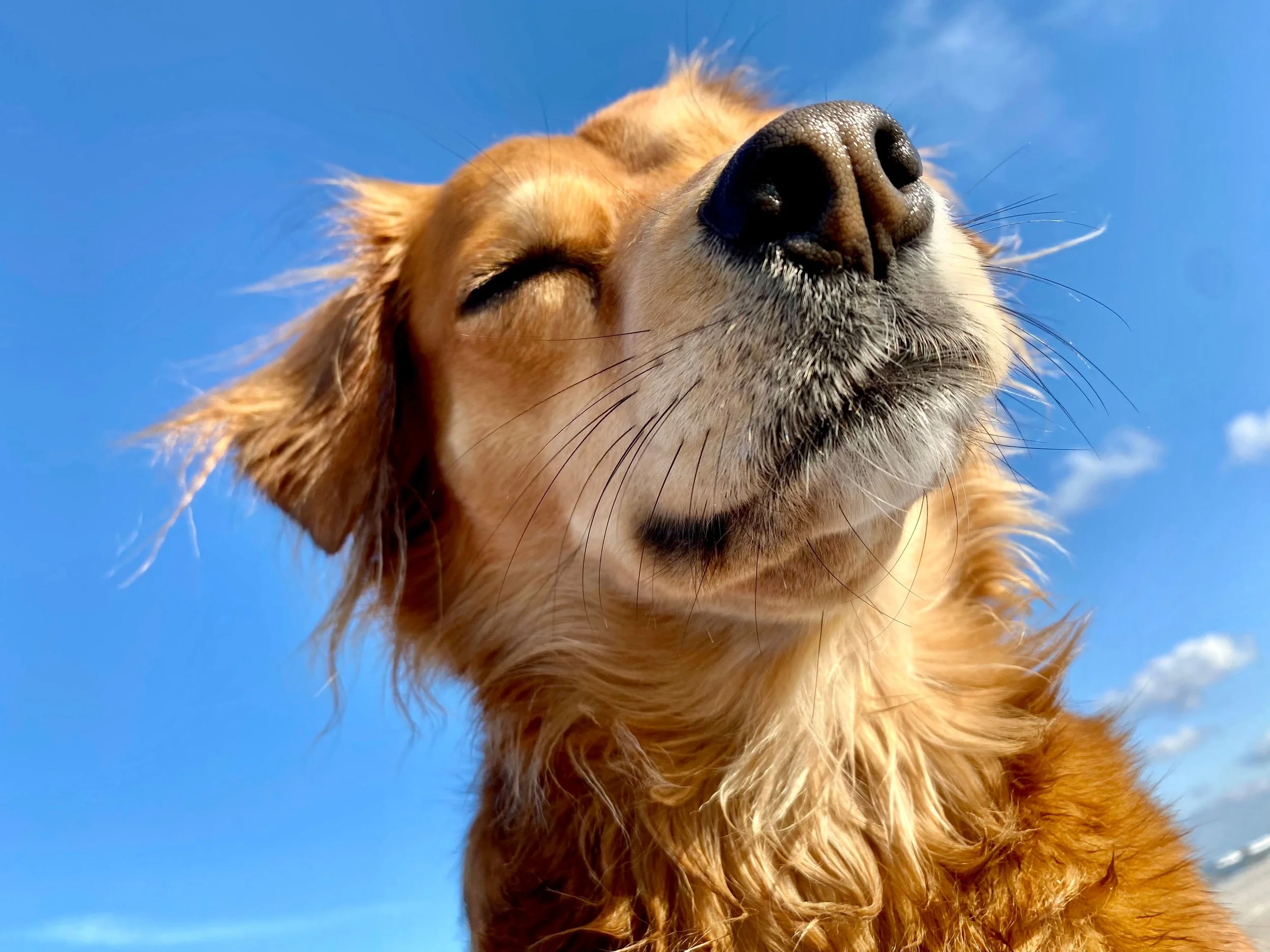
Hot Weather Dog Walks Are Not That Simple
Can I walk my dog in hot weather? A practical guide to heat risk, individual tolerance, safer choices and less online judgement.
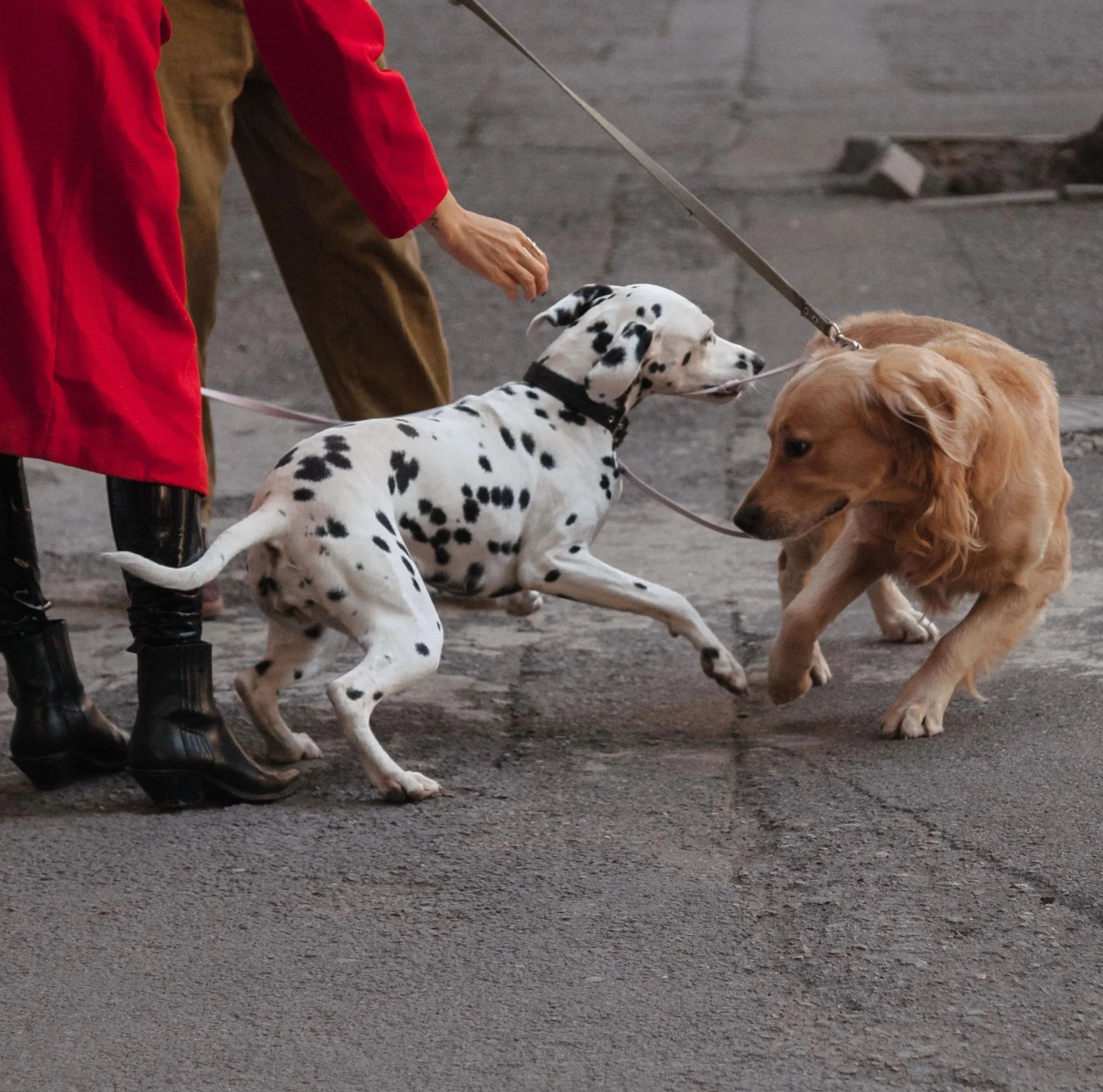
Why Quick Fixes Fail Dogs Who Struggle on Walks
Learn why safe dog training for dogs who struggle on walks avoids quick fixes, flooding and corrections, and how to choose a trainer.
Dog Training Advice Should Help, Not Humiliate
Public shaming does not make better dog owners. This piece looks at why online dog culture has become a space of outrage rather than education, and what genuinely helpful guidance should look like instead.

The Truth About "Low Maintenance" Dog Breeds
The myth of low maintenance dog breeds is harming welfare. Learn what dogs actually need and why behaviour problems are often misunderstood.
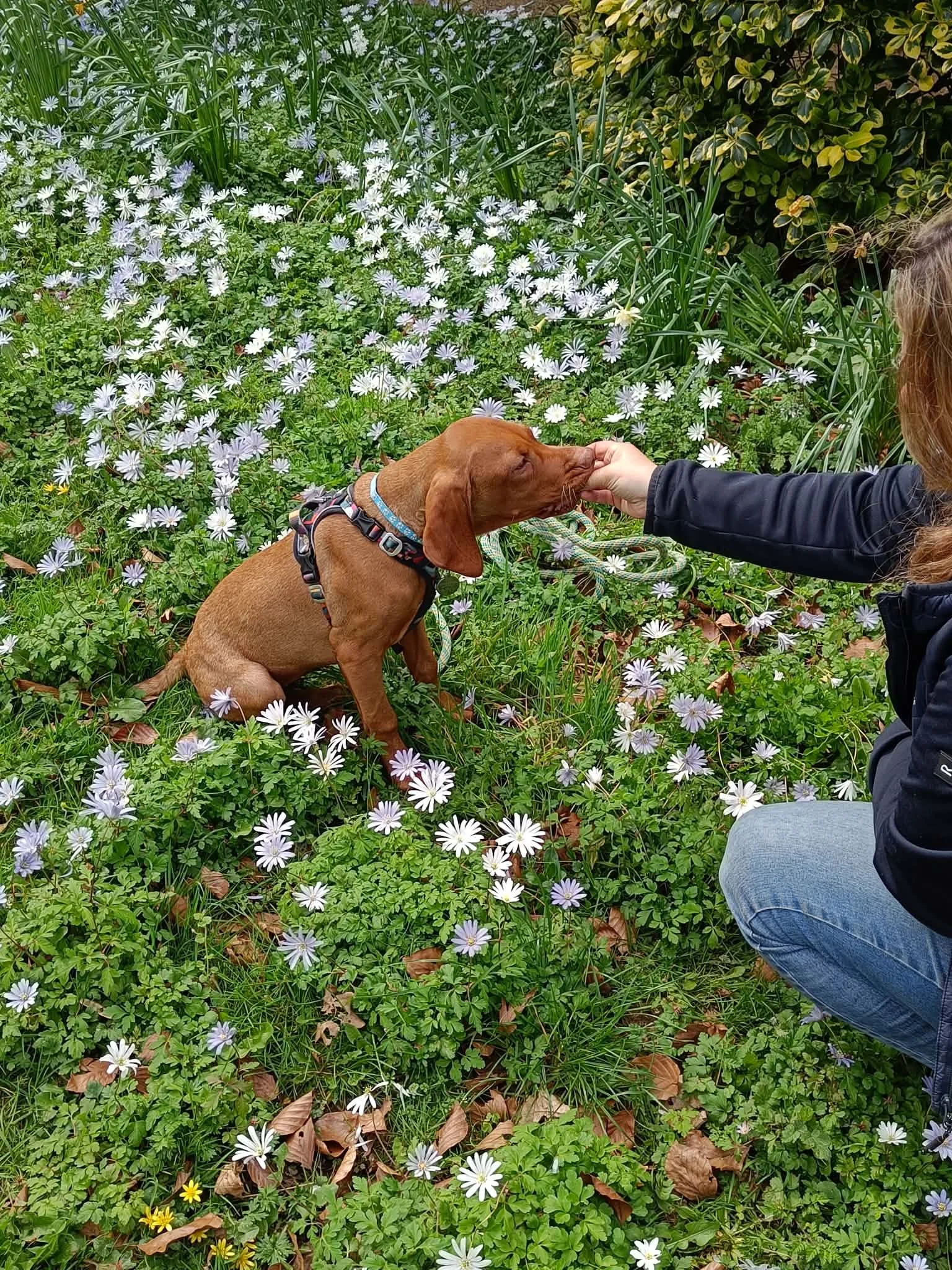
Why Your Dog Shouldn’t Work for Free
Why your dog should not work for free: a myth-busting guide to rewards, cooperation, and ethical dog training that builds real partnership.

Puppy Training Methods Explained. Capture, Lure, Shape and Clicker
Most people imagine puppy training as teaching commands. Sit. Stay. Come. But with a very young puppy the real work looks quieter than that. It is about curiosity, confidence and helping the dog discover that learning with you is enjoyable.

Compassion fatigue in relationships: feeling numb
Feeling numb, guilty, and out of patience? This gentle confession explores compassion fatigue in relationships and parenting and why boundaries can be care.

Why I Am Sharing Drift’s First Week, and How Often You Will See It
Real life with a puppy is mostly made up of small, ordinary choices.
Short trips out. Quiet moments. Stopping early.
Not chasing the perfect start, just getting to know the dog in front of you and giving them space to come back down again.

Drift Comes Home. Why Day One Looks Quiet on Purpose
Bringing a working gundog puppy home is not about finding the perfect training plan. It is about helping a young vizsla settle into real life. Day one is not for progress or obedience. It is for arrival. Small spaces. Quiet routines. Time to come back down again after new things. This is what most people skip, and it shapes how puppies cope with the world.

Why Relationship-Led Dog Training Beats Punishment
Jenny invites Bob to live in her home. They do not share a language. When Bob guesses wrong, he only hears angry sounds or feels a shove. No guidance, only “not that.” He cannot leave, so he keeps trying to placate Jenny and still gets it wrong. That is how many dogs experience our homes. Not because we are unkind, but because we were told correction is the only thing that works. In truth, dogs learn patterns. When we make the first right step clear and worth taking, behaviour changes fast and the relationship softens. That is relationship-led dog training in plain English: less pressure, more sense.

Oh, You’re a Dog Trainer? Your Dogs Must Be Perfect.
What does “well trained” really mean for dogs? A dog trainer explains why life skills beat robot obedience - and why comparison helps no one.

Why Your Labrador or Cocker Feels Harder to Train. Show Lines vs Working Lines Explained
Show line and working line Labradors and Cocker Spaniels are not the same dogs in different packaging. They are shaped by different breeding goals, and that shows up clearly in behaviour, training and everyday walks. This article breaks down what those differences look like in real life and how to work with the dog you actually have.
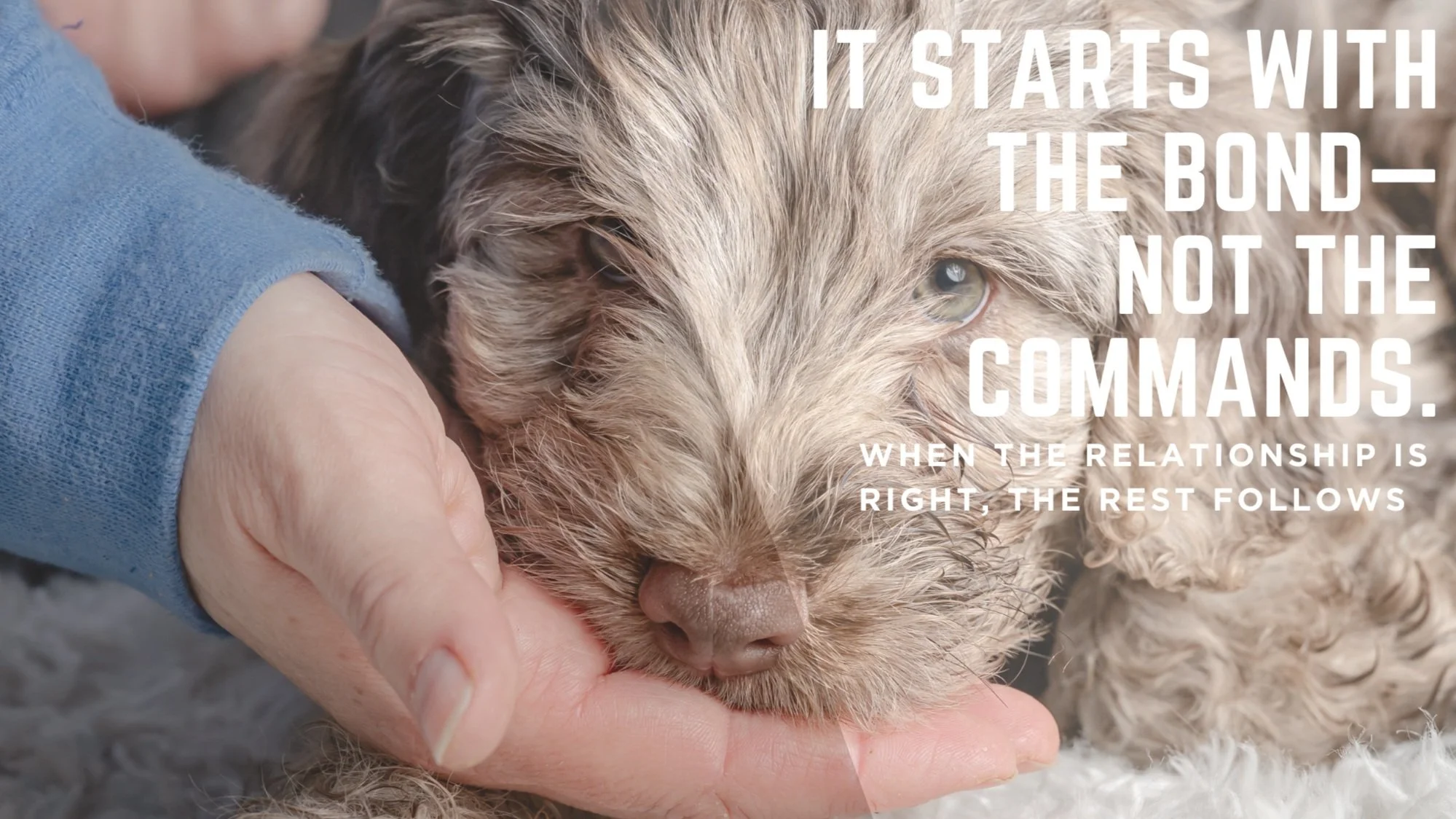
Evidence-Based Dog Training UK: Beyond Dogma
Evidence-based dog training UK from PACT 2025: data, welfare, and collaboration over ideology - with practical tools owners and trainers can use now.

Why Breed-Specific Bans Don’t Work
No breed is evil. So why are dogs still losing their lives because of how they look?
Breed-specific bans have been UK law for over 30 years - but they haven’t made us safer. Here’s what the evidence really says, and what we can do instead

Owning a dog isn’t a qualification. And 'guaranteed results' are a joke.
Think owning a dog or “loving dogs” makes you a pro? Think again.
If you’re paying for dog walking, training, or behaviour help, there’s a lot more at stake than you might realise. Insurance, qualifications, honest advice. None of it optional.
I’ve just written a blog about what separates true professionals from hobbyists and hype artists in the UK dog world. No hype, no guaranteed miracles. Just the facts.
If you want to know how to spot a real behaviourist, check if your sitter’s licensed, and why “guaranteed results” should make you suspicious, this is for you.

