Puppy Training Methods Explained. Capture, Lure, Shape and Clicker
Most people imagine puppy training as a list of commands.
Sit.Stay. Come.
But when you are working with a very young puppy, that approach misses the point. Especially with a dog that is only 10 or 11 weeks old. At this age the goal is not obedience. It is curiosity. Confidence. And trust. Drift is still a baby. She sleeps most of the day and her understanding of the world is still forming. What she learns now is not just what to do. It is how learning with me feels.
That matters far more than whether she can sit on cue.
The little training games you see in the video are built around a few simple approaches. Capture, luring, shaping and clicker training. None of them are complicated, but together they create an environment where the puppy can think, experiment and succeed.
And most importantly, enjoy it.
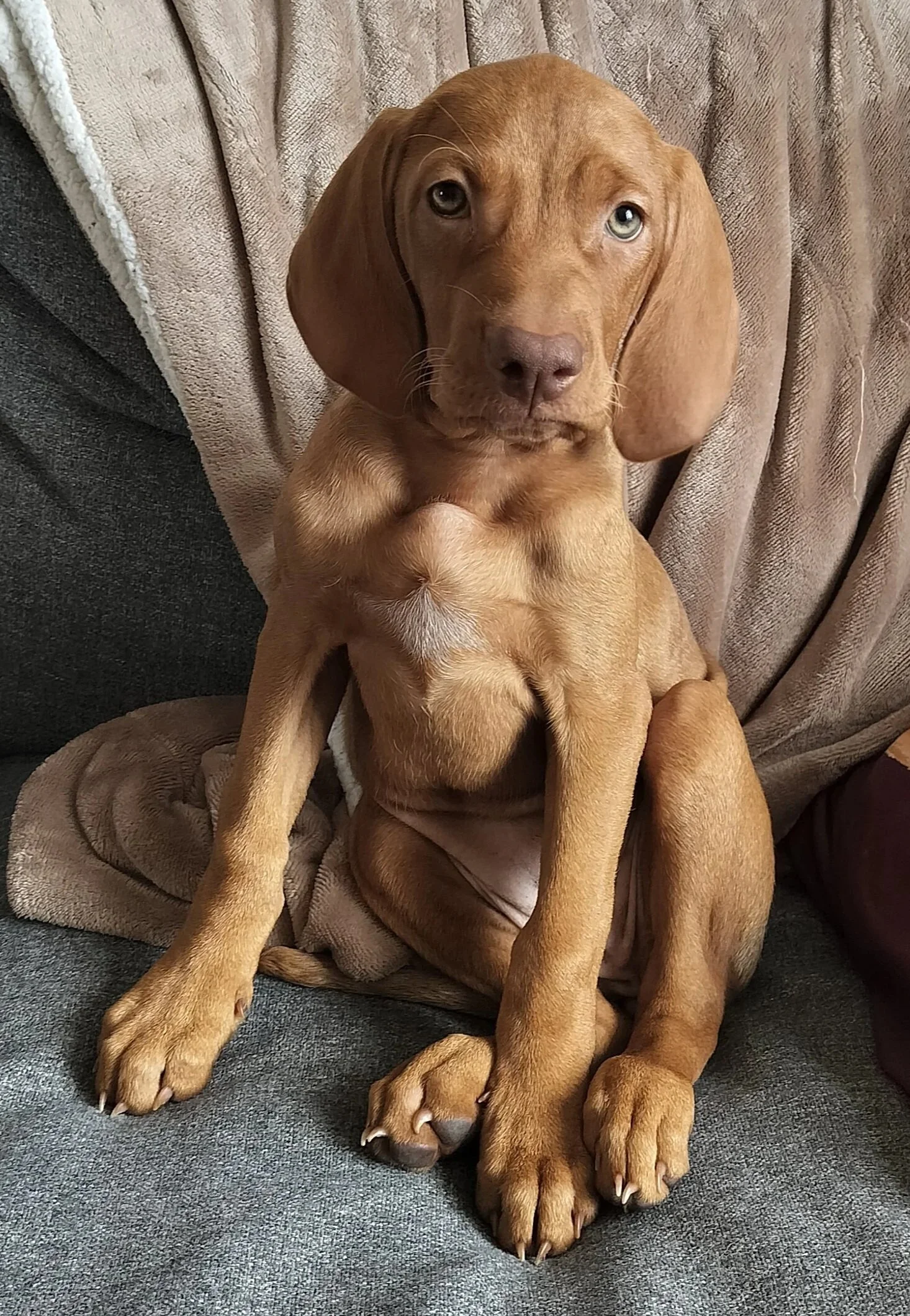
Drift at 10 weeks
Training methods
Before we go any further, a quick note.
The methods below are not an exhaustive list of dog training approaches. They are simply the ones I am focusing on at the moment with Drift. At this stage learning needs to stay simple, clear and enjoyable, so these tools help me do that without putting pressure on a very young dog.
All credit and acknowledgement for the games to Helen Phillips at Clicker Gundog, Jules Morgan at Teach Your Gundog and the always fabulous Gundog Trainers Academy.
Capture. Rewarding what the puppy chooses
Capturing is the simplest form of training.
You notice something the puppy does naturally and you reward it.
If Drift chooses to sit beside me, I mark it and reward.
If she offers eye contact, that gets rewarded.
If she catches up to my leg during the catch up game, that earns reinforcement too.
Nothing is forced. Nothing is demanded.
The puppy discovers that behaviours she offers on her own can make good things happen.
This builds confidence quickly because the puppy is not being corrected or physically guided into position. She is experimenting and discovering what works.
And the human becomes part of that process. Someone worth checking in with.
Please Miss.. I don’t understand
Jargon buster. What does “mark the behaviour” mean?
You will sometimes hear trainers say mark the behaviour. All that means is telling the dog the exact moment they did the right thing.
Dogs learn best when feedback is clear and immediate. If the reward arrives a second or two later, the dog may not know which action earned it. Did the treat come for sitting? For looking at you? For standing still?
A marker solves that problem.
It might be the sound of a clicker, or a short word such as “yes”.
The marker happens at the exact moment the dog performs the behaviour you want. The reward follows straight after.
So the sequence looks like this:
Dog offers the behaviour
Marker sound or word
Reward
The marker bridges the gap between the behaviour and the reward. It tells the dog, that was the right choice.
Over time the dog begins repeating behaviours that get marked, because they clearly understand what earns reinforcement.
Shaping. Letting the puppy solve the puzzle
Shaping takes this one step further.
Instead of showing the puppy exactly what to do, we reward small steps towards the behaviour.
One paw on the object gets rewarded.
Then two paws.
Then standing confidently on it.
Each small piece builds towards the final behaviour.
From the outside this can look slow. But it creates a dog that understands how learning works.
The puppy realises that trying things, experimenting and thinking leads to success.
That is a valuable skill for any dog living in our world, and especially useful for working bred dogs who enjoy problem solving.
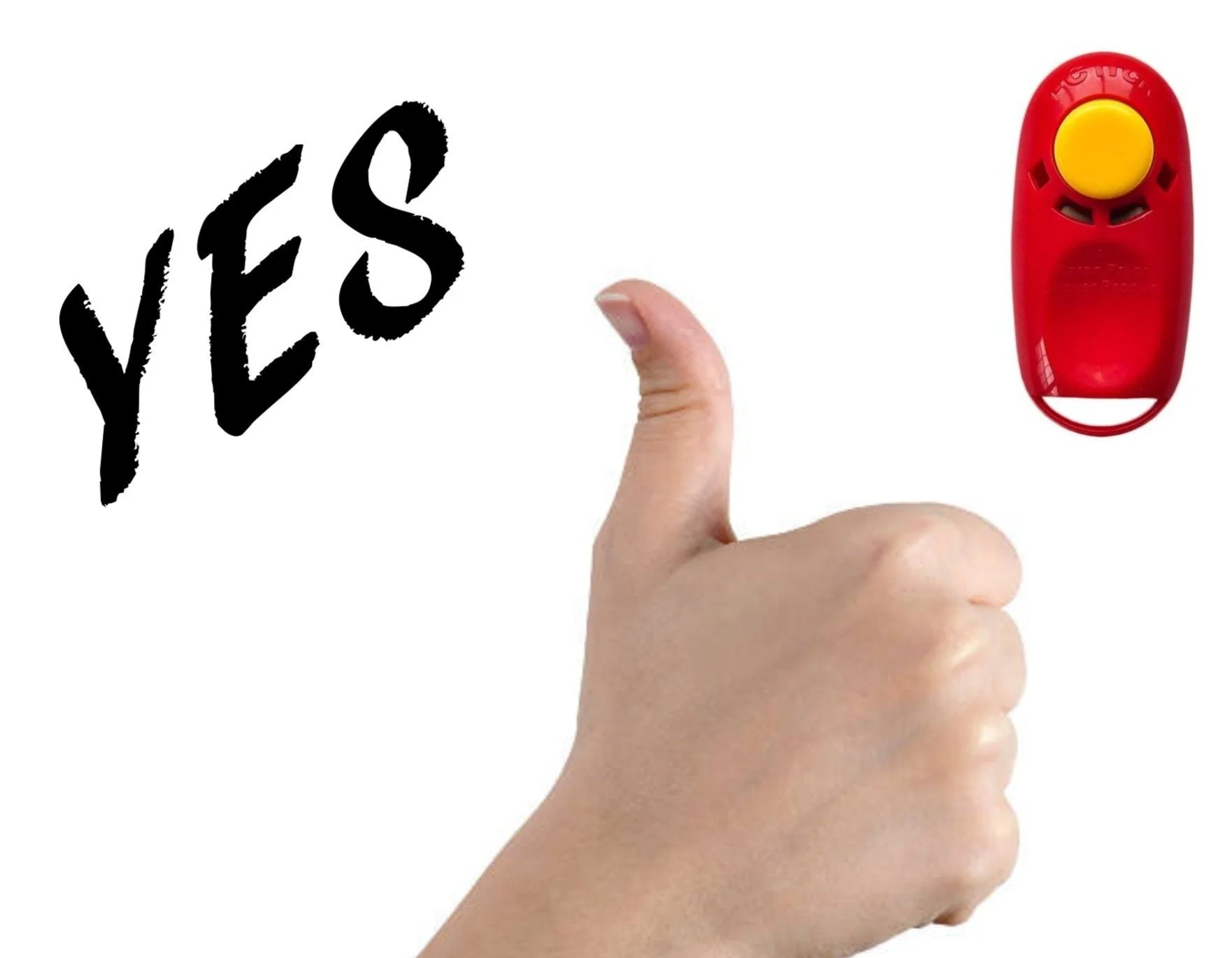
Clicker training. Clear communication
The clicker is simply a marker.
It tells the puppy the exact moment they have done the right thing.
Click. Reward.
The sound becomes a clear signal that says, yes, that is the behaviour I wanted.
Some trainers use a word instead of a clicker and that works perfectly well too. What matters most is the timing.
The clearer the communication, the easier learning becomes.
Why fun matters more than precision
At this stage of Drift’s life the most important thing is that learning feels safe and enjoyable.
These sessions are not about perfect positions or impressive tricks. They are about building a puppy that enjoys working with her handler. That becomes the foundation everything else grows from.
When a puppy discovers that coming close to you leads to food, play, touch or attention, they start choosing to be near you.
Not because they have to.
Because they want to.
And that choice is where real connection begins.
No pressure to stay close
One of the biggest mistakes people make when training young dogs is putting pressure on proximity.
Holding them in place.
Calling them repeatedly.
Insisting they remain close.
But trust does not grow through pressure.
Instead I make being near me worthwhile. Drift can move away. She can explore. She can sniff. But when she chooses to return, something good happens.
Over time the puppy checks in more often. The handler becomes part of the environment rather than someone controlling it.
That is the beginning of partnership.
A quiet start that shapes the future
These early sessions might look small.
A catch up game.
Two paws on an object.
A simple toy game.
But underneath those moments the puppy is learning something much bigger.
Learning is safe.
Trying things is allowed.
And the person beside her is someone she can trust.
That is the real work happening in these early weeks.
Everything else will grow from there.