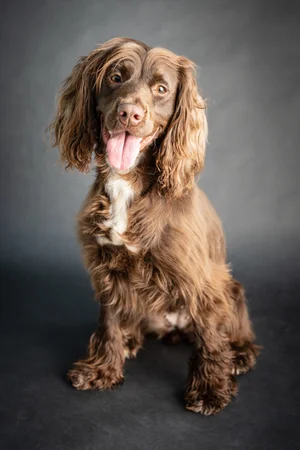
Breed specific playgroups: what are we actually grouping together?
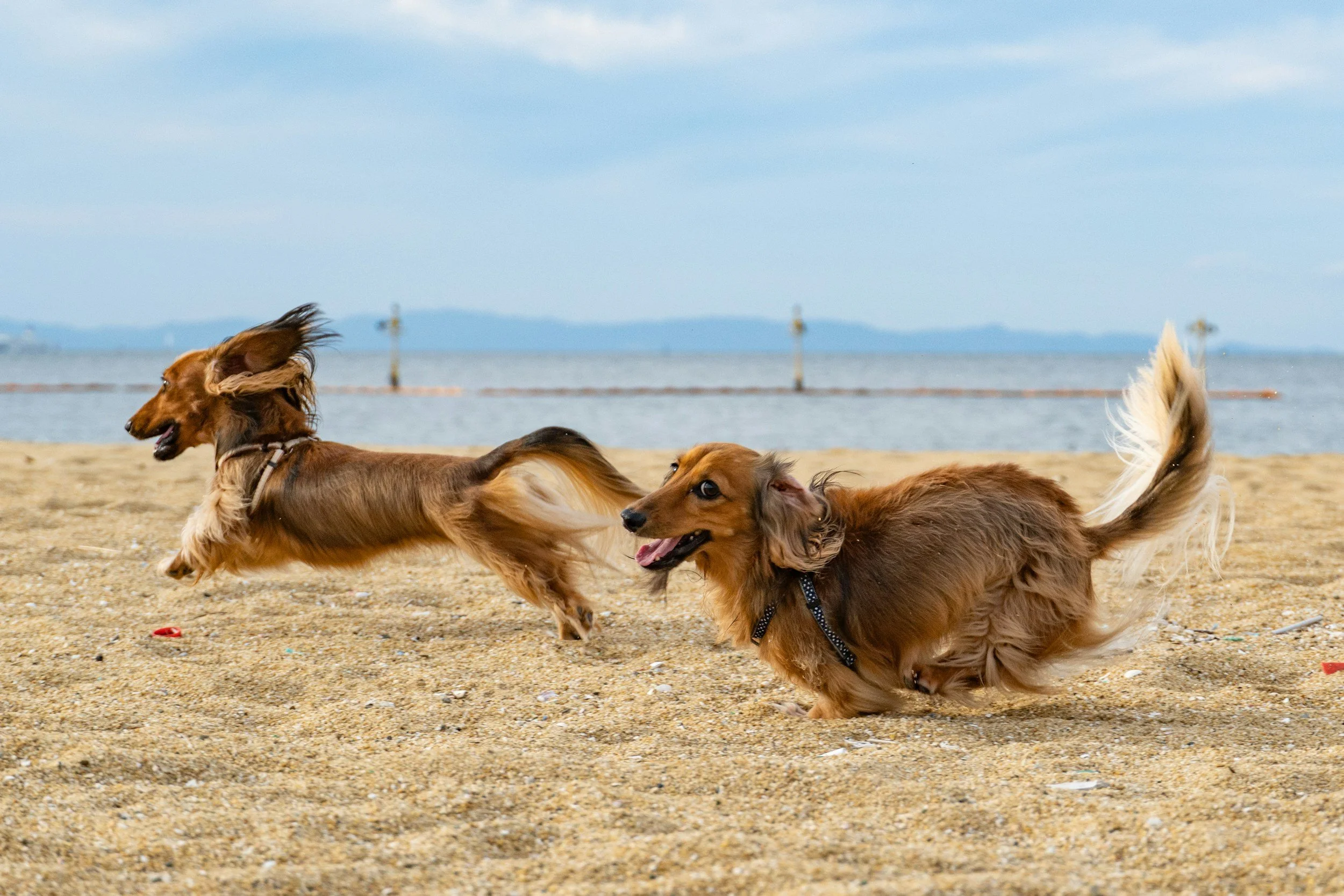
Breed specific dog meet ups are everywhere now. Secure fields, dog parks and training venues offer dedicated sessions for Dachshunds, Cockapoos, Labradors, Spaniels and pretty much any other breed where enough owners can be persuaded to turn up at the same time.
I can see the appeal. You have a Cocker Spaniel. Someone is running a Cocker Spaniel play session. Presumably your Cocker will arrive, recognise their people and immediately enjoy a delightful hour with a collection of dogs who share their interests, communication style and opinions on absolutely everything.
Except, of course, they are dogs. And being the same breed doesn't make them socially compatible.
Before anyone gets cross, I am not saying breed is irrelevant. Far from it. Breed matters. What dogs have been bred to do matters, and selective breeding can influence behaviour, motivation, movement and how dogs interact with the world. I spend a considerable amount of my working life talking about breed traits, particularly with gundogs, so suddenly deciding breed doesn't matter would be a fairly spectacular change of direction.
What I am questioning is the jump from breed being useful information to breed being enough information to decide which dogs should socialise together.
Put eight Spaniels into a secure field and what you have is eight individual dogs who happen to be Spaniels. You might have one who loves chasing, one who enjoys wrestling, one who gets overexcited within thirty seconds, one who is quite socially cautious and another who would really rather investigate whatever died next to the fence three weeks ago.
They aren't doing Spaniel incorrectly. They are individuals.
Even within the same breed, dogs differ enormously in confidence, experience, sociability, frustration tolerance and preferred ways of interacting. One dog might enjoy physical play while another finds it thoroughly unpleasant. One might happily interact with most dogs while another has three friends and considers its social calendar quite full enough, thank you.
This is why I think organising play primarily around breed can oversimplify something that is actually quite complicated. Breed can be part of the information we use when thinking about potential playmates, but I would also want to know about the actual dogs. What is their play style? How confident are they? How do they respond when another dog says no? Can they disengage? Do they notice when another dog disengages? And do they actually want to play with unfamiliar dogs at all?
That last question gets missed rather a lot.
We tend to assume that if dogs are running around together, they must be playing. If everyone is moving quickly and nobody has actually started a fight, the session is apparently going splendidly.
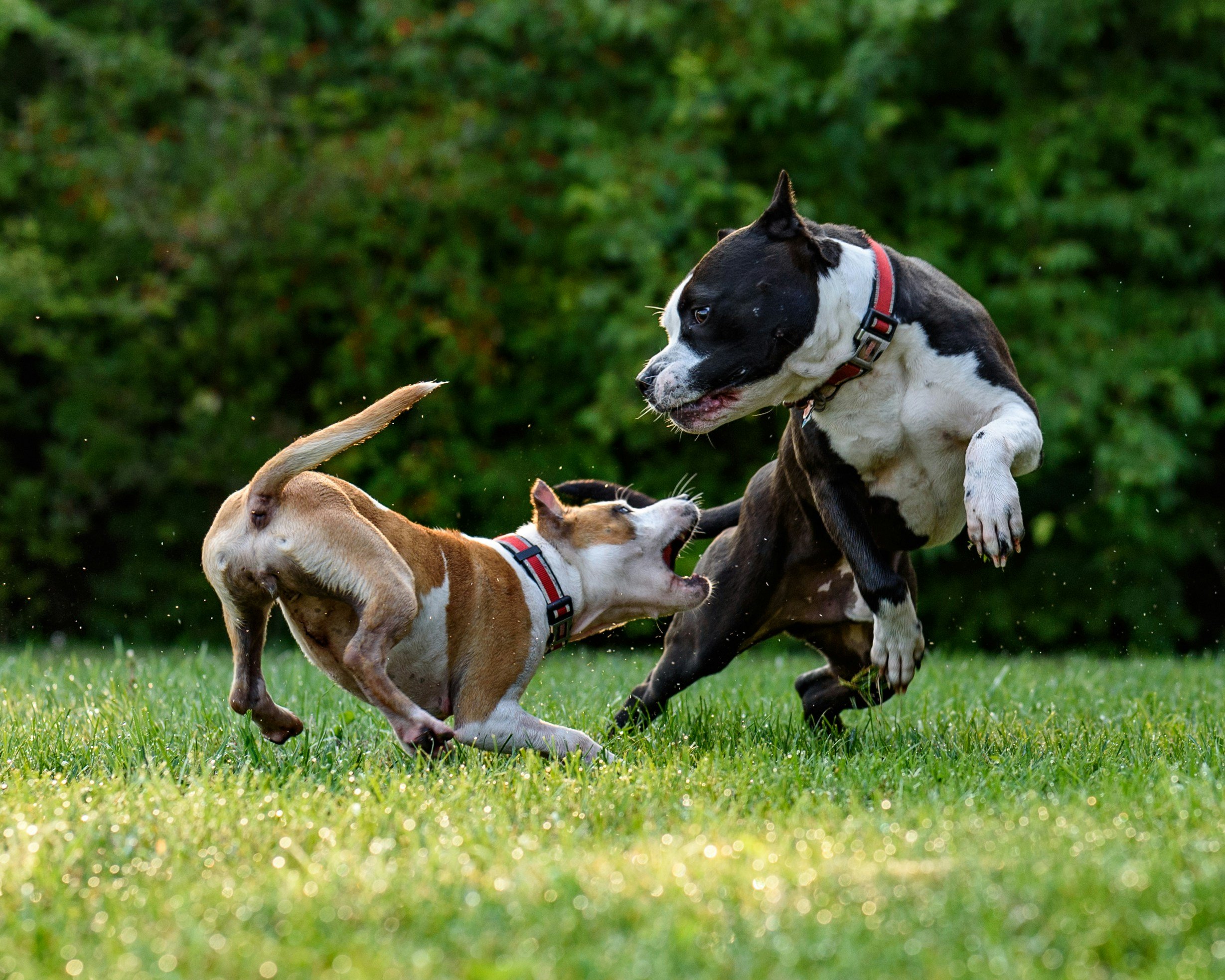
But movement isn't enough to tell us that an interaction is mutually enjoyable. Chasing doesn't automatically mean both dogs want the chase. Wrestling isn't automatically reciprocal. A dog running away from another dog isn't necessarily inviting pursuit. We need to look at what happens throughout the interaction.
Can either dog stop?
Are there natural pauses? If one dog moves away, does the other allow them to leave? If a dog turns away or goes to sniff, is that respected? Does the dog being chased voluntarily return and restart the interaction, or does the pursuing dog simply catch up and start the whole thing again?
Those details tell us far more than the fact that everyone involved happens to be a Labrador.
There is another complication with group meet ups, because one of the reasons people attend them is often that their dog “needs socialising”.
This sounds completely logical. Dog needs socialisation. Here is a field containing dogs. Insert dog into field and socialisation presumably occurs.
Unfortunately, that isn't quite how it works.
A dog that hasn't had enough appropriate experience around other dogs might not have particularly good social skills yet. They may become extremely excited. They might be persistent, struggle to disengage or fail to notice when another dog has had enough. Some dogs become worried when approached. Others desperately want interaction but don't yet have the skills to manage that interaction particularly well.
Putting that dog amongst several unfamiliar dogs doesn't automatically teach them how to do it better.
What can happen instead is that the dogs with better social skills become responsible for managing the ones who are struggling. We often hear this described as dogs teaching one another manners. The socially inexperienced dog is too much, another dog eventually tells them off and everyone concludes that this was useful because they needed putting in their place.
I have a problem with that.
The dog with better social skills didn't apply for a teaching position.
A socially capable dog shouldn't have to tolerate being repeatedly chased, climbed over, body slammed or followed after trying to disengage simply because another dog needs socialisation. Good social skills don't mean infinite patience, and eventually that dog may communicate much more strongly because everything quieter they tried beforehand didn't work.
And then there are the dogs who won't do that.
Not every dog is going to deliver the impressive telling off that people seem to think is required. Some dogs aren't confrontational. They will move away. They might turn their head, change their body position, slow down, become still or repeatedly attempt to leave. They may stick close to their person or make themselves as unobtrusive as possible.
Those dogs are communicating too.
If the other dog doesn't respond and the humans don't intervene, we have created a situation where perfectly reasonable communication isn't working. The dog has asked for space and hasn't received it. They have tried leaving and have been followed. They have tried being quieter and that hasn't worked either.
At this point someone will inevitably say that the dog needs to learn to stand up for itself.
Why?
Why does the quieter dog need to become better at confrontation rather than the humans becoming better at recognising that the dog already said no?
There is also a potential learning consequence when dogs repeatedly discover that their lower level communication doesn't work. If moving away, becoming still or offering more subtle requests for space achieves nothing, stronger behaviour may be more successful. Barking, lunging or rushing towards another dog can all function to create distance.
That doesn't mean every dog who reacts towards another dog has previously had bad experiences in a playgroup. It doesn't mean every example of barking or lunging is caused by fear either. Behaviour isn't that conveniently tidy.
But we do need to consider what dogs are learning from the interactions we arrange for them. If subtle communication is repeatedly ignored while very obvious communication finally makes the other dog go away, it shouldn't come as an enormous surprise when obvious communication becomes useful.
At the other end of the scale, some dogs don't become louder. They become quieter.
A dog freezing in an interaction isn't necessarily coping. A dog remaining still while another dog investigates them isn't necessarily consenting to that interaction. A dog that stops trying to leave because leaving hasn't worked isn't suddenly enjoying itself.
This is why “they'll sort it out” isn't really good enough for me.
Dogs absolutely do need opportunities to interact with other dogs. Despite our best efforts, we are not dogs. We can learn a huge amount about canine body language and communication, but we cannot replicate everything dogs learn through appropriate interaction with one another.
Dogs can learn how another dog approaches, pauses, responds, disengages and negotiates an interaction. Those experiences can be incredibly useful, particularly for young dogs who are still learning about the world.
But the word appropriate is doing quite a lot of work there.
Socialisation doesn't mean collecting as many dog interactions as possible before somebody declares the dog fully socialised. More exposure isn't automatically better exposure. A dog doesn't necessarily need ten dogs when one carefully selected dog would give them a much more useful experience.
Sometimes socialisation might involve playing. Sometimes it might involve walking alongside another dog without interacting physically at all. Sometimes it might mean a brief greeting followed by moving on. Sometimes the useful lesson is that another dog exists nearby and absolutely nothing needs to happen about it.
And sometimes the dog saying “no thanks” should be allowed to mean exactly that.
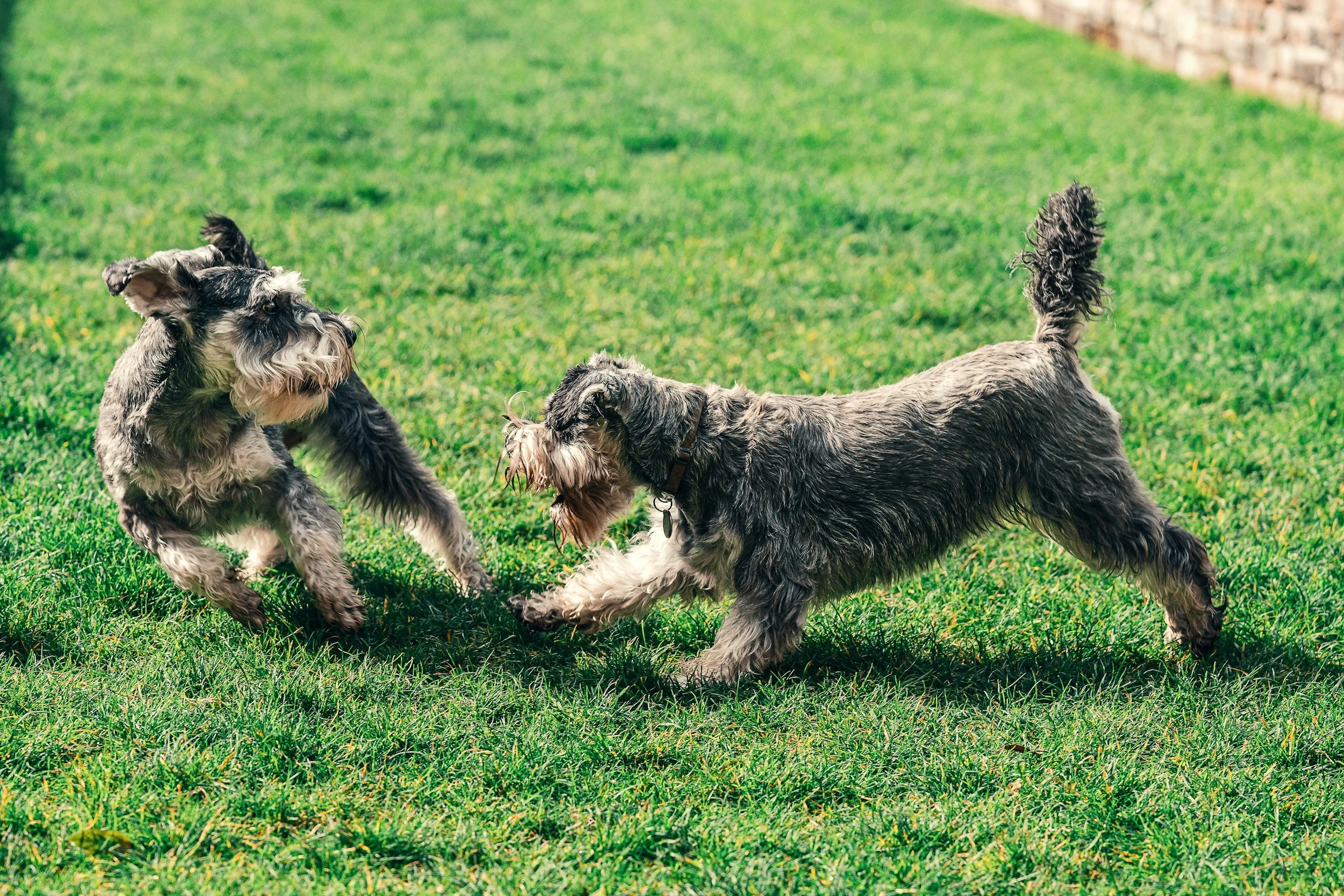
We also need to consider the dogs we select to help less experienced dogs. A confident, socially skilled dog can be incredibly useful, but that doesn't mean we should repeatedly expose them to dogs who ignore their communication because they are “good with dogs”. Their experience matters too.
Being tolerant shouldn't result in getting lumbered with everybody else's difficult social encounters.
This is where I come back to breed specific meet ups. I don't think there is anything inherently wrong with a group of Dachshunds meeting other Dachshunds or a collection of Labradors having access to a secure field together. With appropriate selection, sensible numbers, enough space and somebody actively supervising who understands dog behaviour, it could be perfectly enjoyable.
The problem is assuming that the breed label has already done the selection for us.
It hasn't.
Breed can give us useful information about the dog standing in front of us, but it can't tell us whether that particular dog wants to play with another particular dog. It can't tell us whether their personalities will work together, whether their play styles are compatible or whether one is going to find the other completely exhausting.
For that, we have to watch the dogs.
And if we are going to make decisions about their social lives for them, which we inevitably do because they can't exactly open the booking app themselves, then I think we owe them a little more consideration than “they're both Cockapoos, they'll be fine”.
These are sentient individuals having their own experience of the situations we place them in. The dog who needs help learning social skills deserves thoughtful opportunities to learn them. The dog who already has those skills deserves to have their communication respected. And the dog who simply doesn't fancy playing with the collection of strangers we have assembled for them deserves to have that taken seriously too.
Socialisation matters. Other dogs matter. Breed matters.
But none of those things removes the need to look at the individual dog in front of you.