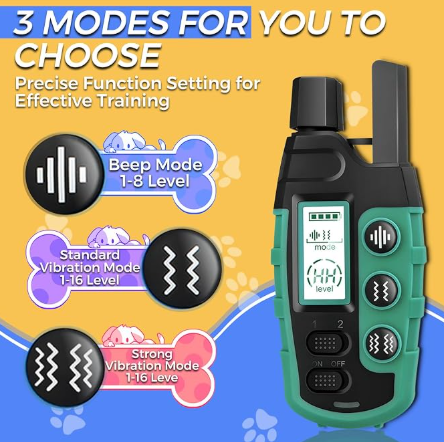
Shock Collars: Effective Does Not Mean Ethical
Electric collars can stop behaviour. That isn't really in dispute. But stopping a dog from doing something and teaching them what to do instead are not the same thing. A closer look at the research behind shock collars, what the dogs actually learnt, and why “it works” is a pretty low bar for deciding how we should train dogs.

Modern Dog Training Deserves Better Than This
Modern dog training has moved well beyond simply replacing punishment with treats. Good training isn't about controlling every decision a dog makes or keeping their attention permanently fixed on us. It's about understanding the individual dog, supporting them through the world and helping them develop the skills and confidence to cope with it.
Hot Weather Dog Walks Are Not That Simple
Can you walk your dog in hot weather? Sometimes. Heat risk isn't decided by one number on a weather app. Your dog's health, fitness and acclimation matter, as do humidity, shade, surface temperature and what you're actually asking them to do. Here's how to make sensible decisions without ignoring the very real risks of heat injury.
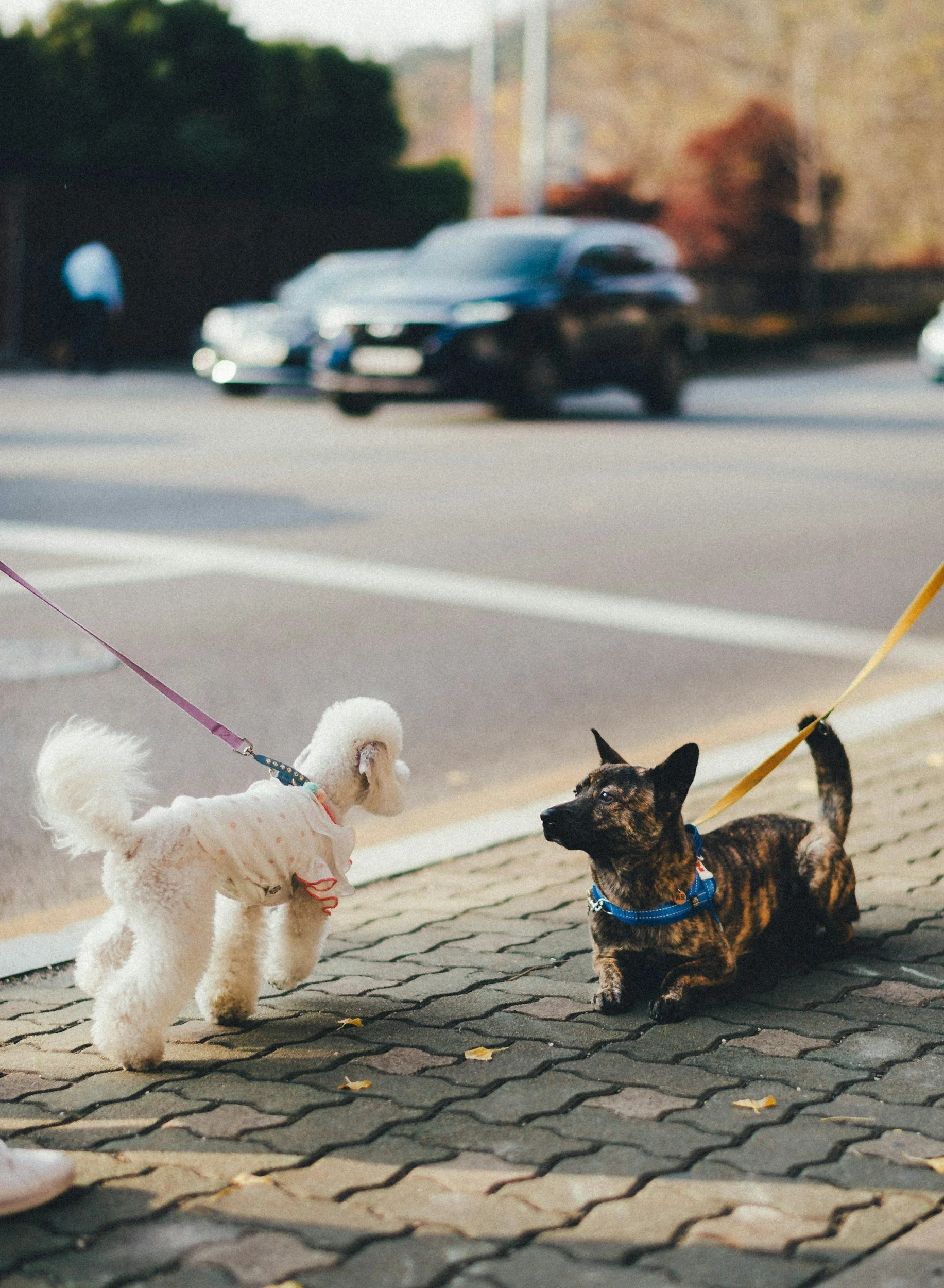
Why Quick Fixes Fail Dogs Who Struggle on Walks
When your dog barks, lunges, freezes or struggles on walks, stopping the behaviour isn't necessarily the same as solving the problem. Understanding why your dog is struggling is where useful training begins. Here's what to look for, what to avoid and how to find support that helps your dog genuinely cope.
The Dogs Deserve Better Than This: Why Dog Training Has a Tribalism Problem
Dog training has become increasingly divided into camps, with force free and traditional trainers often arguing against caricatures of each other rather than examining what dogs actually need. While the industry fights over labels and methods, owners are left trying to make sense of conflicting advice. Perhaps the conversation needs to come back to the dog.
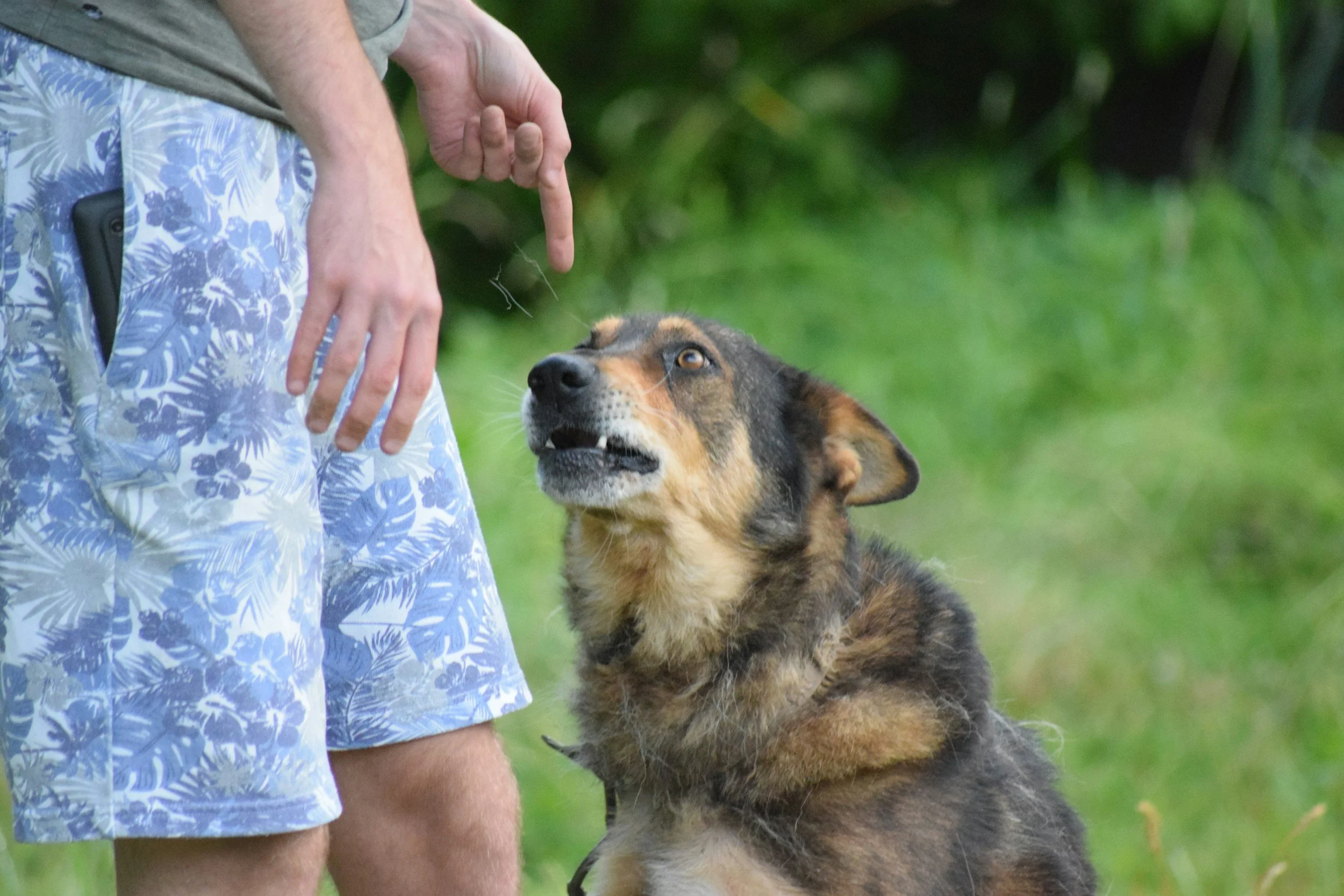
Dog Training Advice Should Help, Not Humiliate
Dog welfare matters. But public shaming doesn't make people better dog owners. When advice becomes judgement, humiliation and online outrage, people stop asking questions and dogs can lose access to the support they need. We can challenge poor choices, advocate for dogs and maintain high standards without tearing their humans apart.

Why Your Dog Shouldn’t Work for Free
Your dog doesn't owe you effort just because you asked. Rewards aren't bribes, and using them doesn't mean lowering your standards. Good reward based training builds motivation, clarity and cooperation, whether you're teaching everyday life skills or training a working dog. The question isn't how quickly you can stop paying. It's whether you've made the work worth doing.

The Truth About "Low Maintenance" Dog Breeds
Looking for a low maintenance dog breed? The problem is that no dog is truly low maintenance. Breed, genetics and individual temperament shape what dogs need, and when those needs aren't met, perfectly normal behaviour can quickly become labelled as difficult. Choosing a dog should be about understanding what they need, not how little we hope they'll require.

Puppy Training Methods Explained. Capture, Lure, Shape and Clicker
Puppy training at 10 or 11 weeks isn't about creating an obedient dog. It's about teaching a puppy that learning is safe, enjoyable and worth taking part in. Through capturing, shaping and simple clicker games, we can build curiosity, confidence and trust without putting pressure on a puppy who is still working out how the world works.

Why Relationship-Led Dog Training Beats Punishment
Telling a dog what not to do doesn't automatically teach them what you want instead. When training relies on corrections, dogs can be left guessing at rules they don't understand. Relationship led dog training replaces that confusion with clear communication, reinforcement and boundaries the dog can actually learn.

How to Choose a Dog Trainer (UK): No-Nonsense Guide
Anyone in the UK can call themselves a dog trainer, which makes choosing one harder than it should be. Qualifications matter, but so do methods, ethics, support and whether someone can explain what they are doing to your dog and why. Here's what to check, what to ask and which red flags should make you look elsewhere.

Oh, You’re a Dog Trainer? Your Dogs Must Be Perfect.
What does a well trained dog actually look like? Perfect heelwork and instant responses might look impressive, but they tell us very little about how a dog is coping. Real life training is also about recovery, emotional regulation, communication and giving dogs the skills to navigate the world without needing constant direction.

Why Your Labrador or Cocker Feels Harder to Train. Show Lines vs Working Lines Explained
Working line or show line? The breed name might be the same, but the dog you bring home can be very different. Breeding influences energy, arousal, working drive and how easily a dog fits into everyday family life. Before choosing a Labrador or Cocker Spaniel, it pays to understand what you are actually buying.
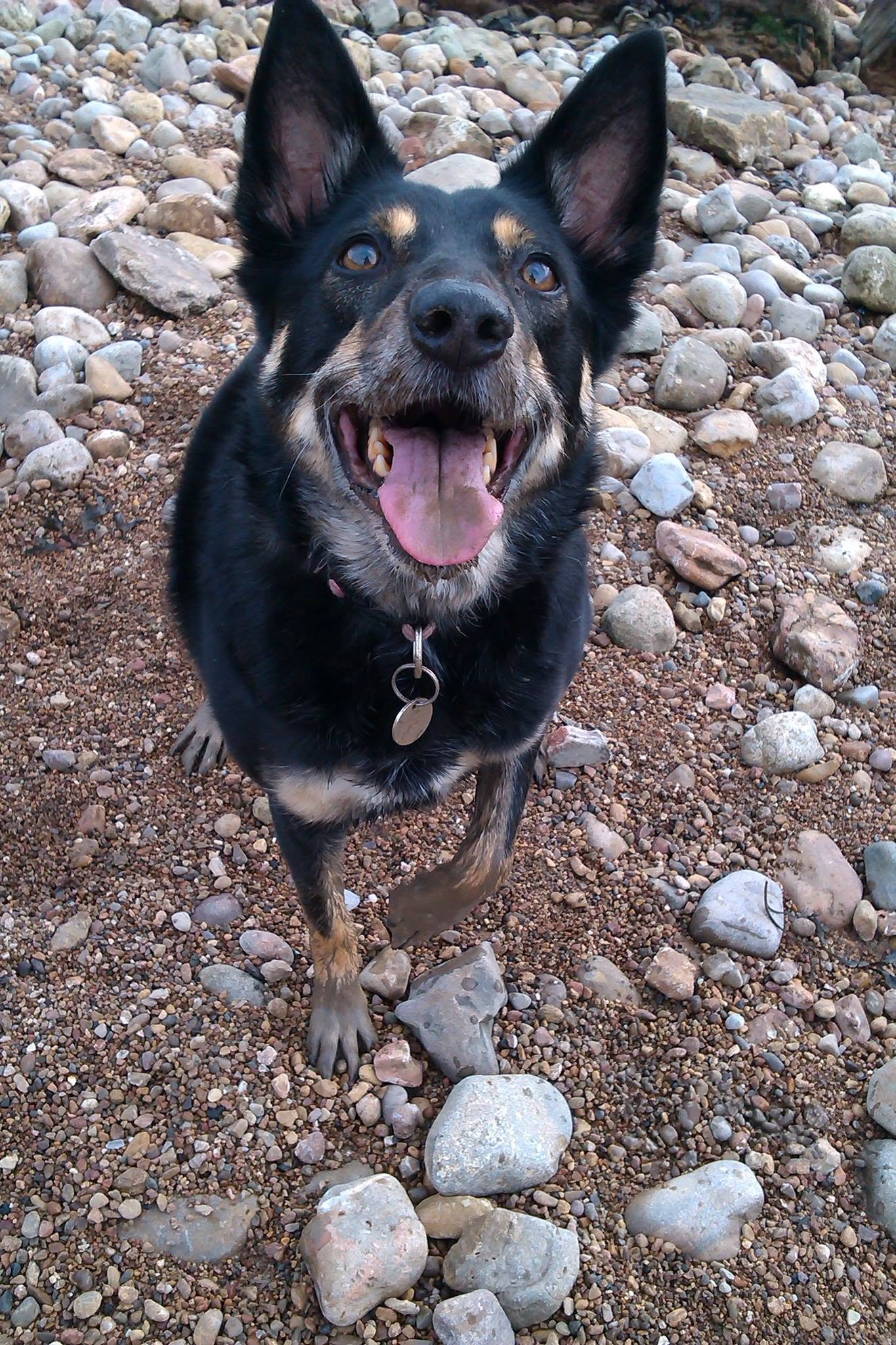
Evidence-Based Dog Training UK: Beyond Dogma
Evidence based dog training isn't about joining the right camp or following one trainer's methods. It's about looking at what is happening, measuring whether your approach is working and being prepared to change it when it isn't. Good training combines behavioural science with practical skill, welfare, collaboration and enough humility to keep asking whether we can do better.

Why Breed-Specific Bans Don’t Work
In the UK, a dog's appearance can determine whether they are restricted, seized or even destroyed, regardless of their individual behaviour. Breed specific legislation was introduced to protect the public, but decades later serious questions remain about whether banning dogs by type actually prevents bites or makes communities safer.

Owning a dog isn’t a qualification. And 'guaranteed results' are a joke.
Loving dogs doesn't make someone a dog professional. If you're being paid to walk, train, board or work with behaviour, you're taking responsibility for another living animal. That means appropriate training, insurance, legal responsibilities, knowing your limits and knowing when to refer. Here's what professionalism in the UK dog industry should actually look like.
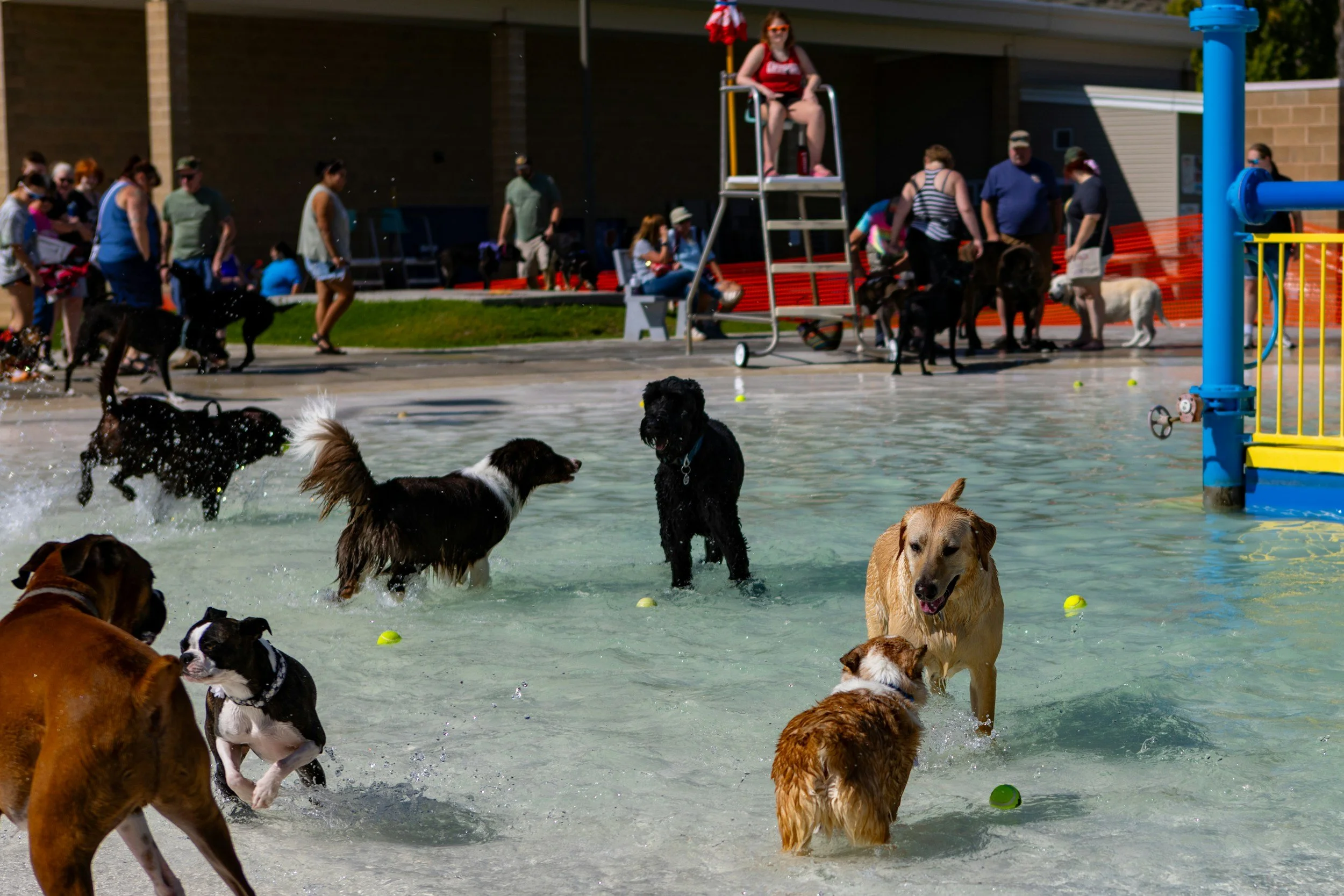
Don’t mistake knackered for calm. It’s not the same.
Dog daycare can be great for the right dog, but more play, more exercise and more socialisation aren't automatically the answer to behaviour problems. An anxious, reactive or overexcited dog may need less stimulation, not more. Here's what to look for when deciding whether daycare is actually helping your dog.
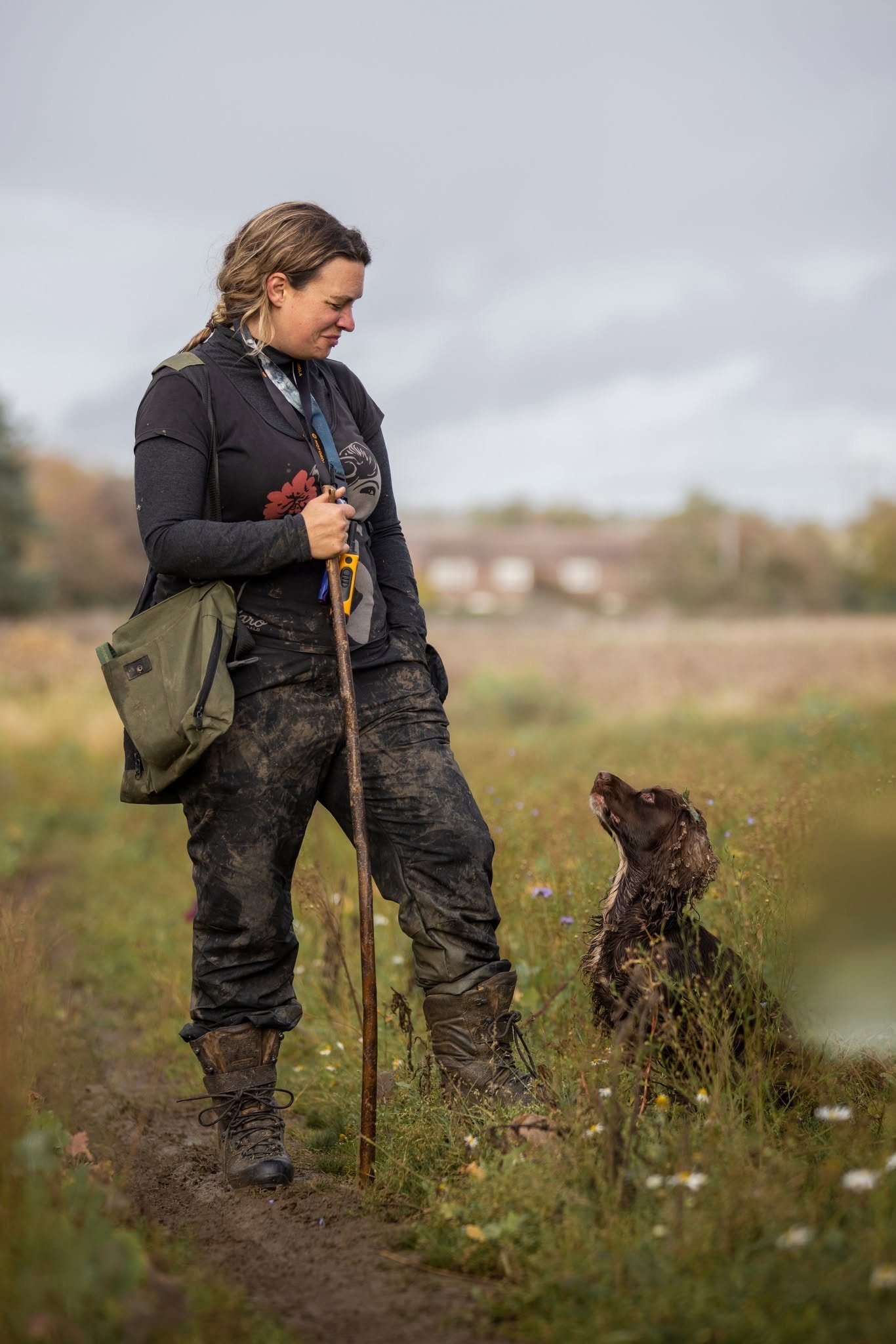
Can I help? Maybe not. And that’s OK.
Sometimes the best thing a dog trainer can do is recommend somebody else. No trainer is the right person for every dog, every problem or every owner. Knowing our strengths, recognising our limits and referring to trusted colleagues isn't giving up on a client. It's part of doing the job properly.


The Problem With César Millán (And Why It Matters)
César Millán made dominance, pack leadership and calm assertive energy famous around the world. His television results can look impressive, but stopping behaviour on camera isn't necessarily the same as changing how a dog feels or teaching them what to do instead. So what sits behind the Dog Whisperer's methods, and should you use them with your own dog?