Why Quick Fixes Fail Dogs Who Struggle on Walks
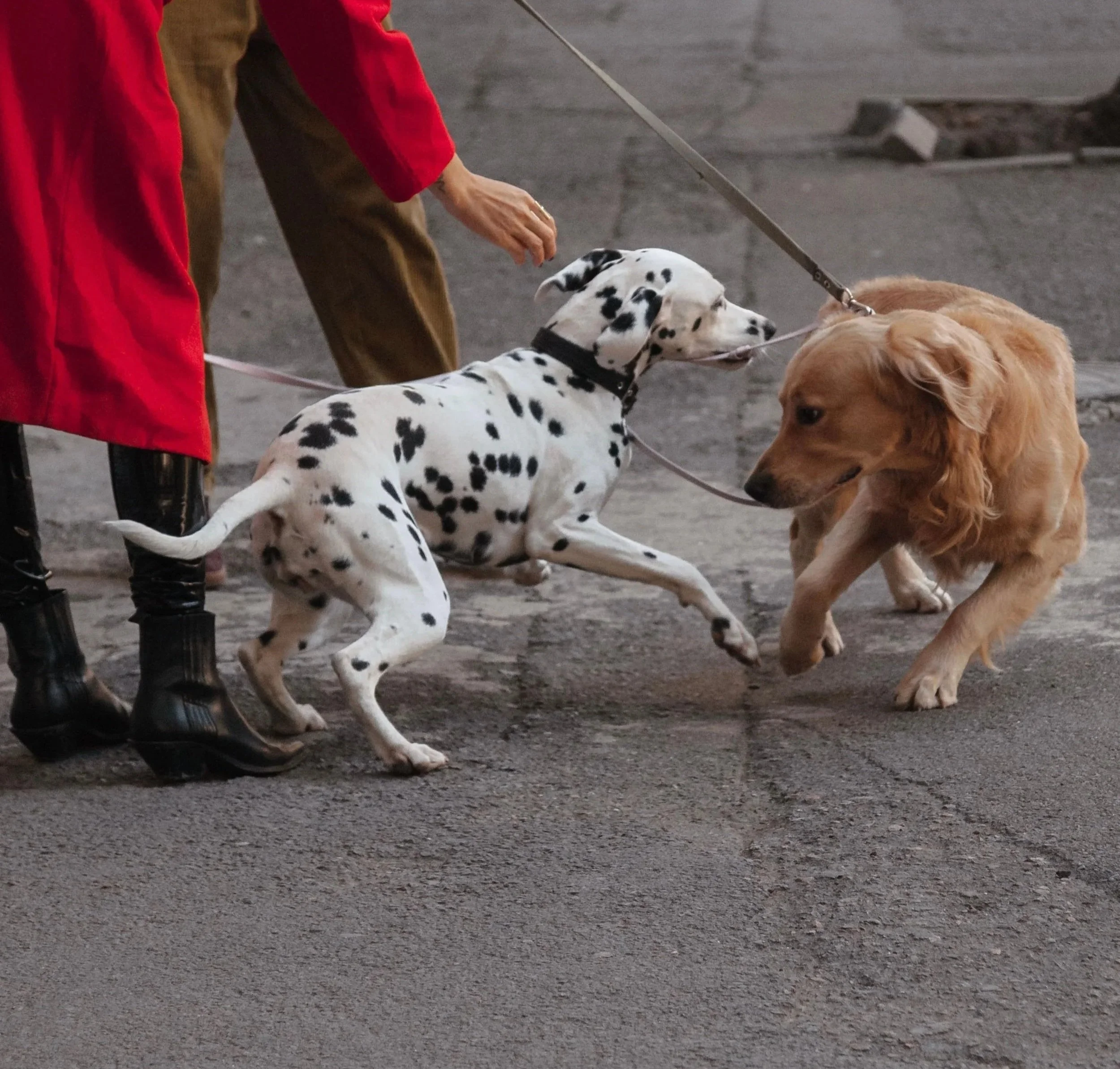
Dogs can struggle on walks for many different reasons but understanding “why” they are doing what they are doing is the key to resolving it rather than managing them.
When your dog barks, lunges, pulls, freezes, growls, or looks completely uncontrollable on a walk, it can feel embarrassing, upsetting and exhausting. And the advice you get often makes it worse. "Just correct it." "Get control." "Put them in a group so they can practise." "They need to get over it."
But dogs who struggle on walks are not being difficult for the sake of it. Their behaviour is information. It may be telling you they are frightened, frustrated, overwhelmed, or simply unable to cope with what is happening around them.
You just want to walk your dog
It is worth saying plainly: this is hard. Not just the walks themselves, but everything that builds around them. The dread before you even clip the lead on. The relief when you get home without an incident. The exhaustion of managing, planning, avoiding, apologising.
Some owners stop walking their dog altogether. Others change their routes, their times, their whole routine, just to reduce the chance of something going wrong. And underneath all of that, for some people, is a thought they feel ashamed to admit. That they did not expect it to be like this. That they are not sure they are coping. That they love their dog but right now, it does not feel the way they thought it would.
That is not a failing. That is what happens when you are struggling without the right support.
And it is exactly why the promise of a quick fix is so appealing. When you are that tired, that desperate for things to be different, someone who says "I can sort this" feels like a lifeline. You are not naive for wanting that. You are human.
But that desperation is also what makes it easy to reach for something that looks like a solution without asking whether it is actually safe for your dog. This blog is not about blame. It is about giving you enough information to make a better choice, for both of you.
Quick fixes look like progress. They are not always.
Quick fixes can look impressive. A dog that was barking and lunging suddenly becomes quiet. The owner is told the dog has been "fixed" or "corrected". But when a dog is struggling emotionally, fast silence is not always progress.
A dog may stop reacting because they feel calmer, safer and better able to cope. That is the goal. But a dog may also stop reacting because they are worried about what will happen if they do. These two outcomes can look similar to an untrained eye. They are very different for the dog.
Many dogs who bark or lunge on walks are not trying to be naughty. They may be trying to create distance. They may be frustrated because they cannot reach another dog. They may be overwhelmed by movement, noise, traffic, or repeated close encounters. Some dogs are confident and noisy. Others are anxious and quiet. Both can be struggling.
The problem with instant control is that it focuses only on stopping the visible behaviour. It does not ask why the behaviour is happening. It does not teach the dog how to cope. It does not help the owner understand distance, body language, stress signals, or how to support their dog before things escalate.
A responsible trainer should want the full picture: what triggers the behaviour, how close the dog is to the trigger, how quickly they recover, what has already been tried, and what the dog's body is doing before the barking or lunging even starts. Be cautious of any trainer who promises immediate results or says they can stop barking and lunging in one session without first understanding why your dog is struggling.
Flooding: When "practice" becomes too much too soon
Flooding happens when a dog is exposed to something they find difficult at an intensity they cannot comfortably cope with. Too much, too close, for too long, with too little choice.
For dogs who struggle on walks, this might mean being taken into a busy group walk full of other dogs. It might mean being made to stand close to triggers while they bark, pull, freeze or scan. It might mean being told to "work through it" when the dog is already overwhelmed.
This is often described as practice. But practice is only useful when the learner is in a state where they can actually learn. Picture a dog who is already over threshold, barking and scanning desperately. They are not processing a training lesson. They are trying to survive the situation in front of them.
A dog's threshold matters. Below threshold, they can notice a trigger and still respond to their owner, eat, disengage, sniff, or move away. Over threshold, they may bark, lunge, freeze, shut down, refuse food, or become unable to listen. Good training keeps the dog in a learning zone. Not repeatedly past the point where they can cope.
Flooding can be especially harmful for anxious dogs because it removes their sense of safety. If every walk becomes a situation where they are trapped near the thing they fear, the world starts to feel even more threatening.
If your dog cannot take food, respond to simple cues, sniff, disengage, or recover after seeing a trigger, they are probably too close. Create distance before asking for more.
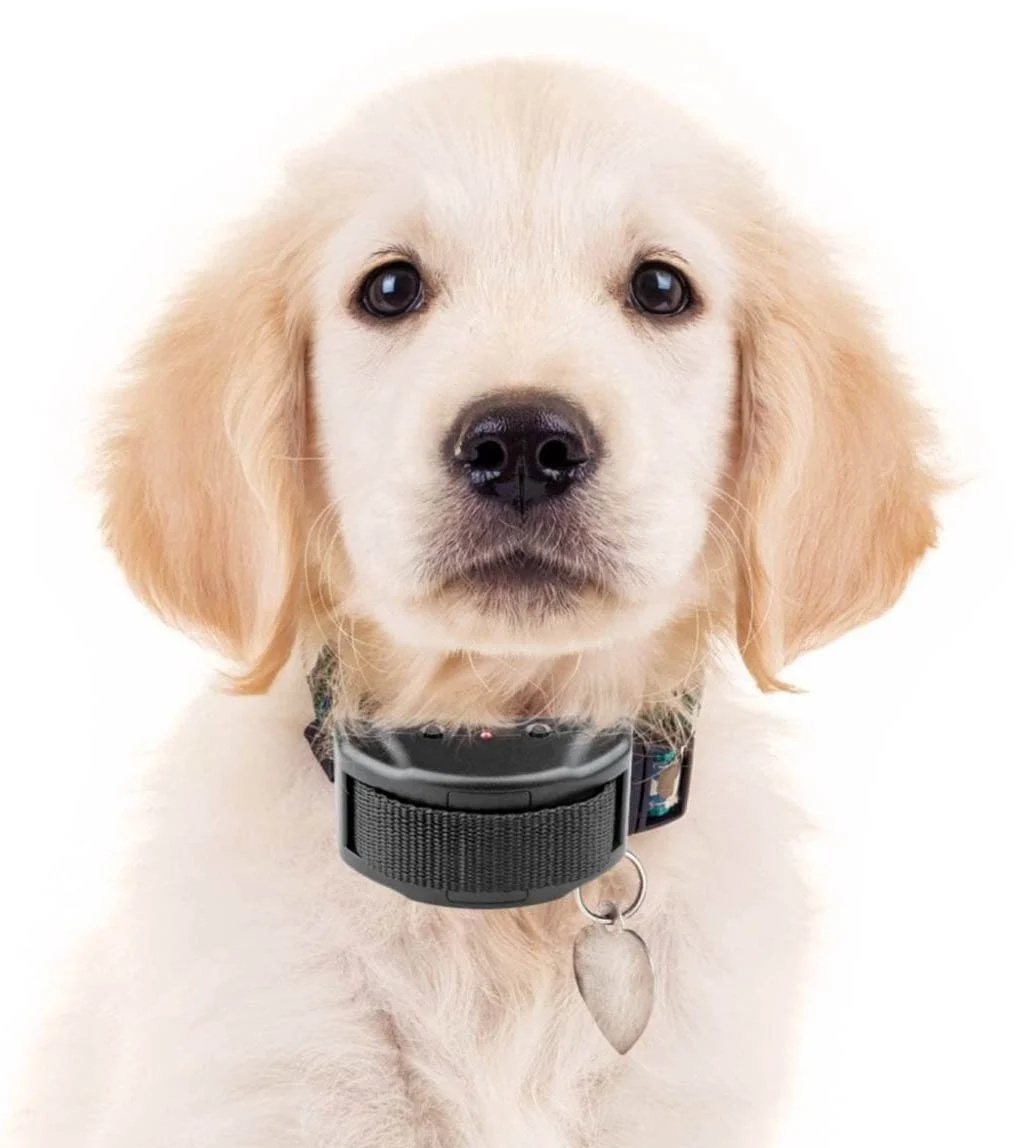
puppy wearing a shock collar. credit https://spca.bc.ca/ways-to-help/take-action/animals-in-the-home/the-shocking-truth-about-electronic-collars/
Equipment does not change how a dog feels
Tools such as slip leads, check/choke chains, prong collars and e-/stim collars are often used to stop behaviour in the moment. A dog barks or lunges, pressure or discomfort is applied, and the dog stops. To some people, that looks like training.
But stopping behaviour is not the same as resolving the cause of it. If a dog is scared of other dogs, adding pain or pressure when another dog appears can make that association worse. The dog may come to learn that other dogs predict something unpleasant from the handler or the equipment.
This creates confusion for owners too. The visible behaviour reduces, so they believe the dog is improving. Meanwhile, the dog may still be anxious or frustrated internally. The emotion has not gone away. The communication has simply been punished.
This does not mean owners should have no management or safety measures in place. Leads, harnesses, muzzle training and distance can all be part of a responsible plan. But management should support learning, not force a dog through situations they cannot cope with.
Ask any trainer, "What will you do if my dog barks, lunges, freezes or cannot cope?" A responsible answer should include distance, support and adjustment. Not simply "we correct it."
Control is not the same as understanding
Some training approaches focus heavily on keeping the dog's attention on the handler. The dog sees another dog, person, bike or child, and the owner is told to cue a behaviour: "look at me", "heel", "sit", "leave it", "watch me", "keep moving."
There is a place for useful cues. But when they are used constantly to interrupt every response, the dog may never get the chance to calmly notice what is around them, process it, and learn that it is not a threat.
For dogs who are anxious or overwhelmed, this matters. If they are always rushed past triggers or asked to stare at the handler, they may not be learning to feel differently. They may simply be learning to perform a behaviour while still feeling unsure underneath.
Safe training is not about forcing a dog to ignore the world. It is about helping them gather information in a way they can cope with. That might mean standing at a comfortable distance and letting them look. It might mean calmly watching a dog pass far away. It might mean allowing them to sniff, pause, disengage, or move away.
When you slow down, you give the dog time to think. You can observe their body language, notice when they need more space, and help them make choices that build confidence. That is very different from demanding obedience while the dog is struggling.
Instead of asking your dog to look away from every trigger, practise calm observation from a distance where they can still think, move, eat, sniff and recover. The goal is not constant focus on you. It is helping your dog feel safer in the world.
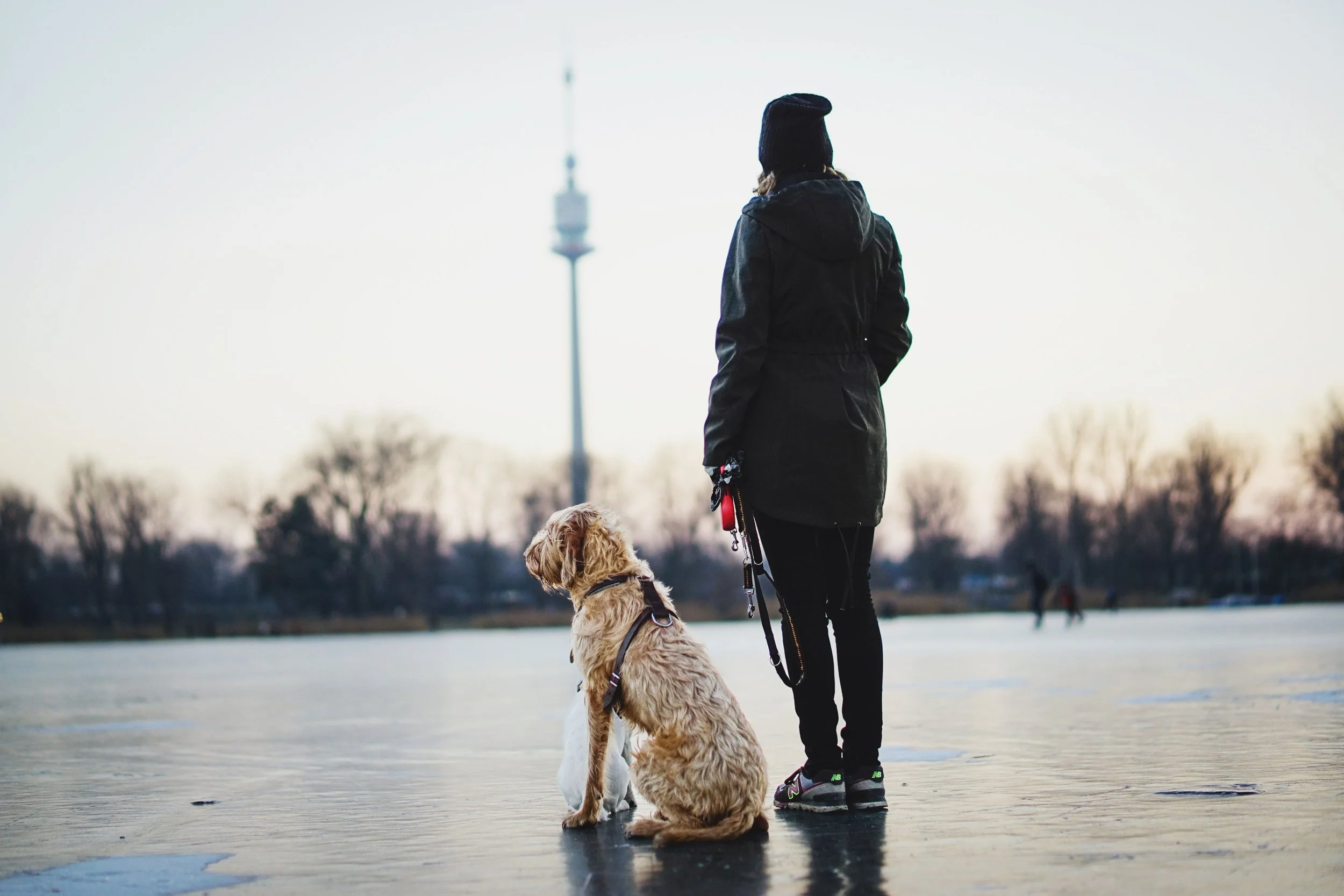
Calm spectating with distance can help your dog process what is going on around them without pressure to react or manage themselves in the moment.
… and shut down is not the same as calm
One of the biggest risks with quick-fix training is mistaking shut down for calm. A shut-down dog may look quiet and still. That does not mean they feel safe. A dog who is genuinely calmer will show softer body language. They may sniff, take food, move naturally, respond to their owner, look away from triggers, and recover after something surprising happens.
A shut-down dog may become very still. They may stop taking treats, stop exploring, tuck their tail, lower their body, pant, lick their lips, yawn repeatedly, or seem disconnected. Some dogs look like they are behaving because they have stopped trying.
If we only measure progress by silence, we miss this. Dogs communicate in far more subtle ways than barking and lunging. A good trainer should help you read what your dog's body is actually saying, not just whether they are quiet.
This is especially important for anxious dogs. Not every struggling dog is loud. Some dogs do not explode. They disappear into themselves, tolerating situations until they cannot anymore. These dogs still need support, space and careful training.
Do not judge progress by silence alone. Look for softer posture, easier movement, engagement, sniffing, recovery, curiosity and the ability to move away.
Why "All Dogs Welcome" walks can put struggling dogs at risk
Group walks are not automatically bad. For the right dogs, in the right environment, with the right structure, they can be useful. The problem is when walks are advertised as suitable for every dog without proper assessment, planning or safeguards.
"All dogs welcome" can sound inclusive. In practice, it can be a red flag. Puppies, adolescent dogs, anxious dogs, frustrated greeters, elderly dogs and dogs recovering from trauma all have different needs. Putting them together without screening is not welfare-led training.
It is also unfair to put the responsibility entirely on owners to keep their dogs under threshold in a busy group setting. Many people attending these walks are there because their dog already struggles. They may not yet know how to read body language, create distance, or prevent situations from escalating.
A trainer being present does not automatically make the environment safe. What matters is how the session is structured. Are dogs assessed beforehand? Are numbers limited? Is there enough space? Are dogs prevented from approaching each other? Is there a plan if a dog cannot cope?
A poorly managed group walk can become flooding disguised as training. Dogs may be placed too close to triggers and corrected when they react. Owners may be told they are practising when their dog is actually rehearsing stress, panic, or helplessness.
For some dogs, the right first step is not a group environment at all. It may be a one-to-one assessment, quieter locations, decompression walks, confidence-building, or simply helping the owner understand what their dog is communicating.
Before joining a group walk, ask how dogs are assessed, how much space is used, whether dogs interact directly, what happens if a dog struggles, and whether your dog can opt out without judgement.
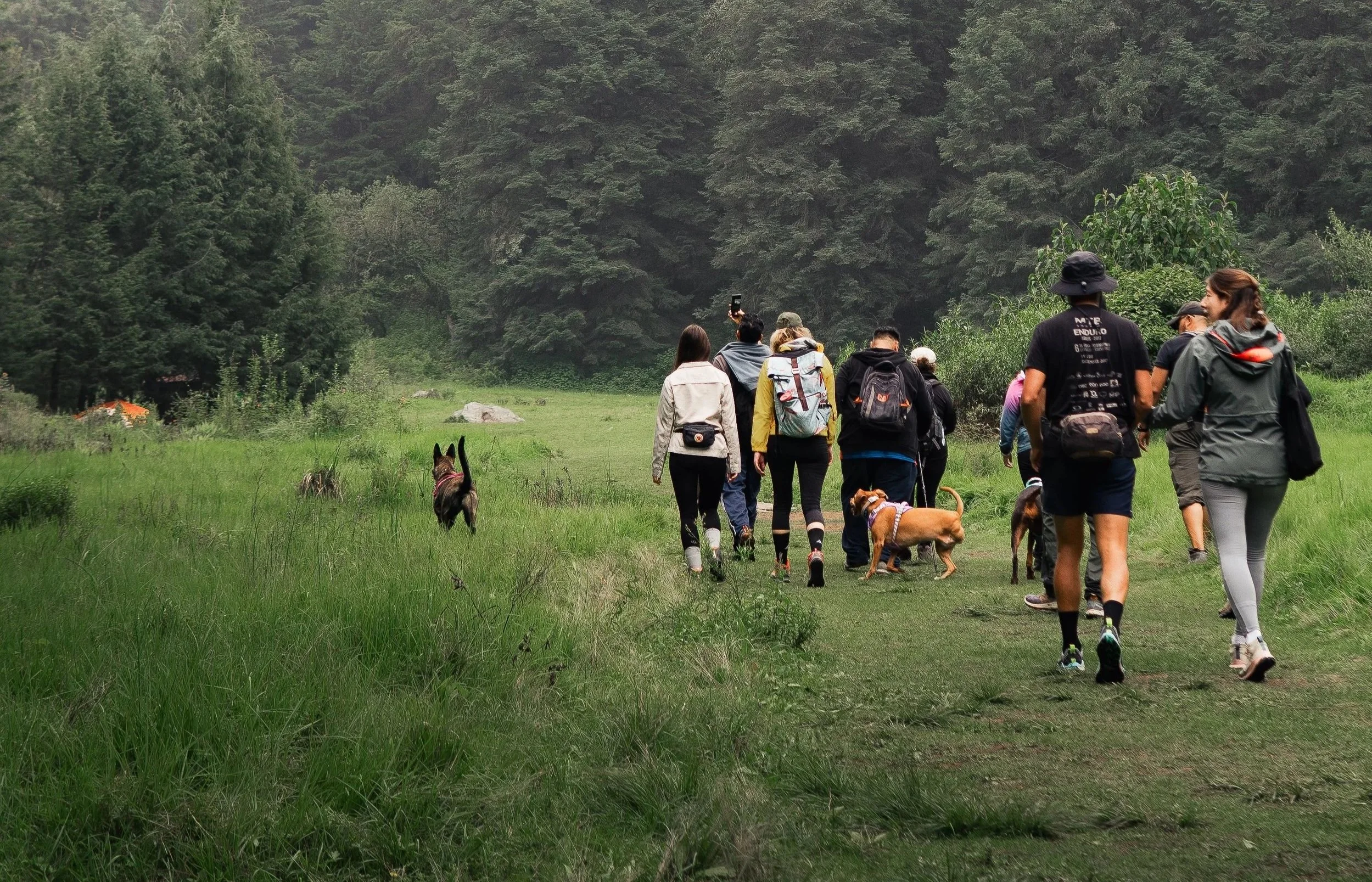
Group walks can be a wonderful experience, but try and find out how they run and how dogs are matched up.
What to look for in a responsible dog trainer
Choosing a trainer can feel overwhelming when your dog is struggling and you want help quickly. The right trainer should make both you and your dog feel safer, not more pressured.
A responsible trainer will want to understand your dog as an individual before putting them into a challenging environment. They will ask about what your dog struggles with, what they enjoy, what their walks look like, and what happens before, during and after difficult moments.
They should be able to explain thresholds, stress signals, reinforcement, management and gradual exposure in plain language. They should not hide behind terms like "leadership", "respect" or "dominance" without explaining what they are actually going to do.
A good trainer will also be honest. They will not promise to fix complex behaviour in one session. They will not blame you for struggling. They will not force your dog into situations they are not ready for. And they will adapt when your dog shows they need more space or a slower pace.
Red flags to watch for:
"All dogs welcome" with no assessment process
Promises of instant results or guaranteed fixes
Reliance on lead pops, slip collars, prong collars, e-collars or intimidation
Describing a shut-down dog as calm
Forcing dogs to stay close to triggers rather than managing distance
Using constant cues to suppress every response rather than helping the dog feel safer
Blaming owners without teaching them anything
Refusing to explain what happens when a dog reacts
The best trainers help owners understand their dogs. They do not just take the lead, stop the behaviour and hand the dog back. They show you what your dog is communicating and how to support them in the real world.
Interview a trainer before booking. Ask what methods they use, what equipment they recommend, how they handle barking or lunging, and whether they will assess your dog individually before suggesting a group session.
Conclusion
Dogs who struggle on walks do not need to be pushed, corrected, flooded or forced to get over it. Their behaviour is communication. And quick fixes that silence that communication do not resolve what is driving it.
A quiet dog is not always a calm dog. A dog walking in a group is not automatically coping. Training that looks controlled from the outside is not always welfare-led underneath.
Safe dog training for dogs who struggle on walks should build confidence, understanding and genuine coping skills. It should give dogs the time and space to observe the world, process what they see, and learn that they are safe.
If something feels rushed, harsh or unsafe, trust that instinct. Ask questions. Look for transparency. Choose a trainer who sees your dog as a learner, not a problem to be controlled.
And if you are still in that place where walks feel like a battle and you are not sure where to turn, I am here. Not to take over or hand you back a different dog, but to help you and your dog understand one another better. To rebuild something that feels good again. Getting there takes time and it looks different for every dog, but it is possible.
If you would like to talk about where you and your dog are right now, get in touch. That is what I am here for.