
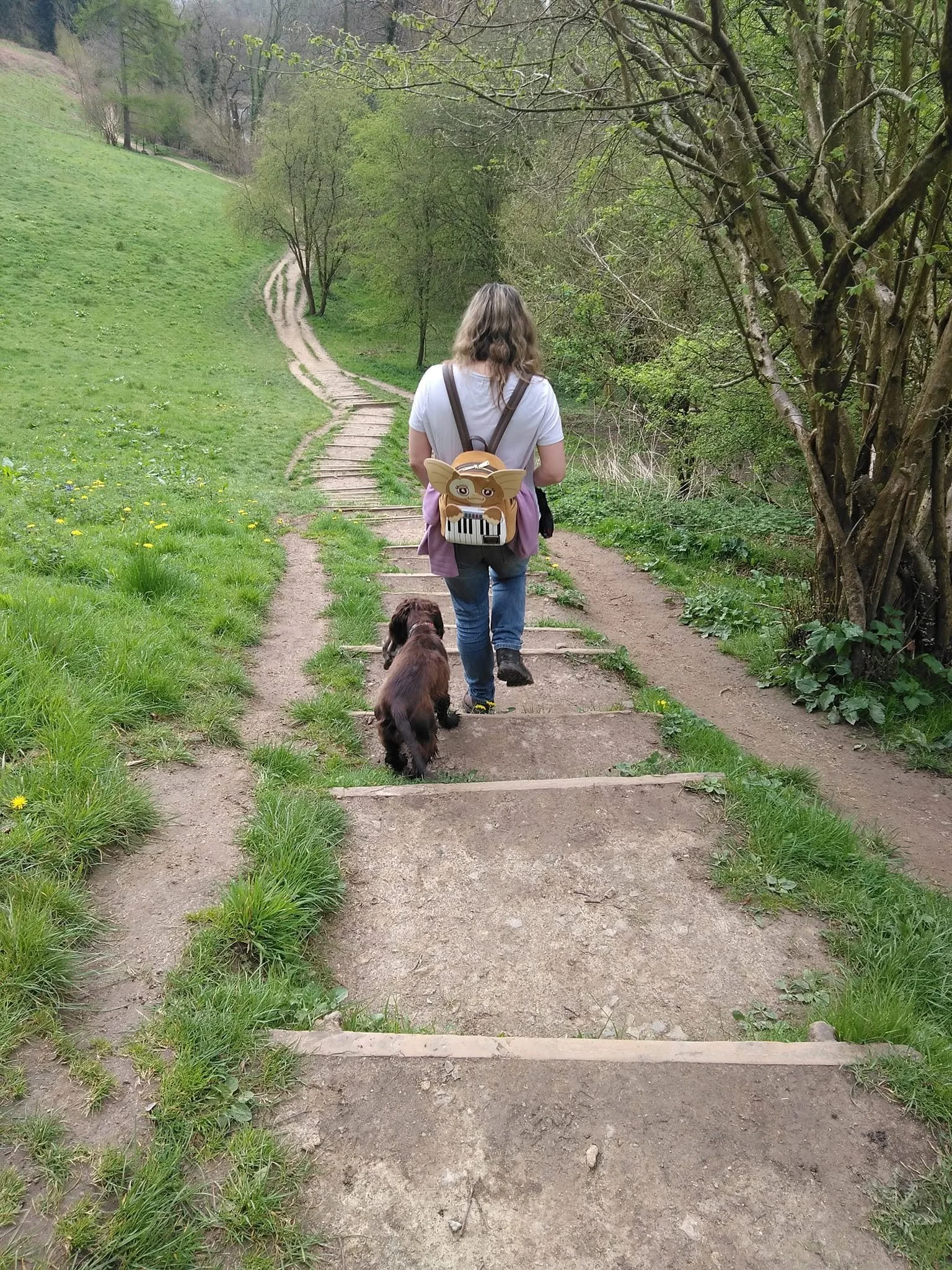
“You're watching yourself but you’re too unfair”
Does your anxiety make your dog anxious? It's an easy conclusion to reach, particularly when you're already struggling and your dog is struggling too. But blaming yourself doesn't help either of you. Dog training isn't just about changing behaviour. Sometimes it starts with understanding what both ends of the lead need in order to learn, cope and feel supported.
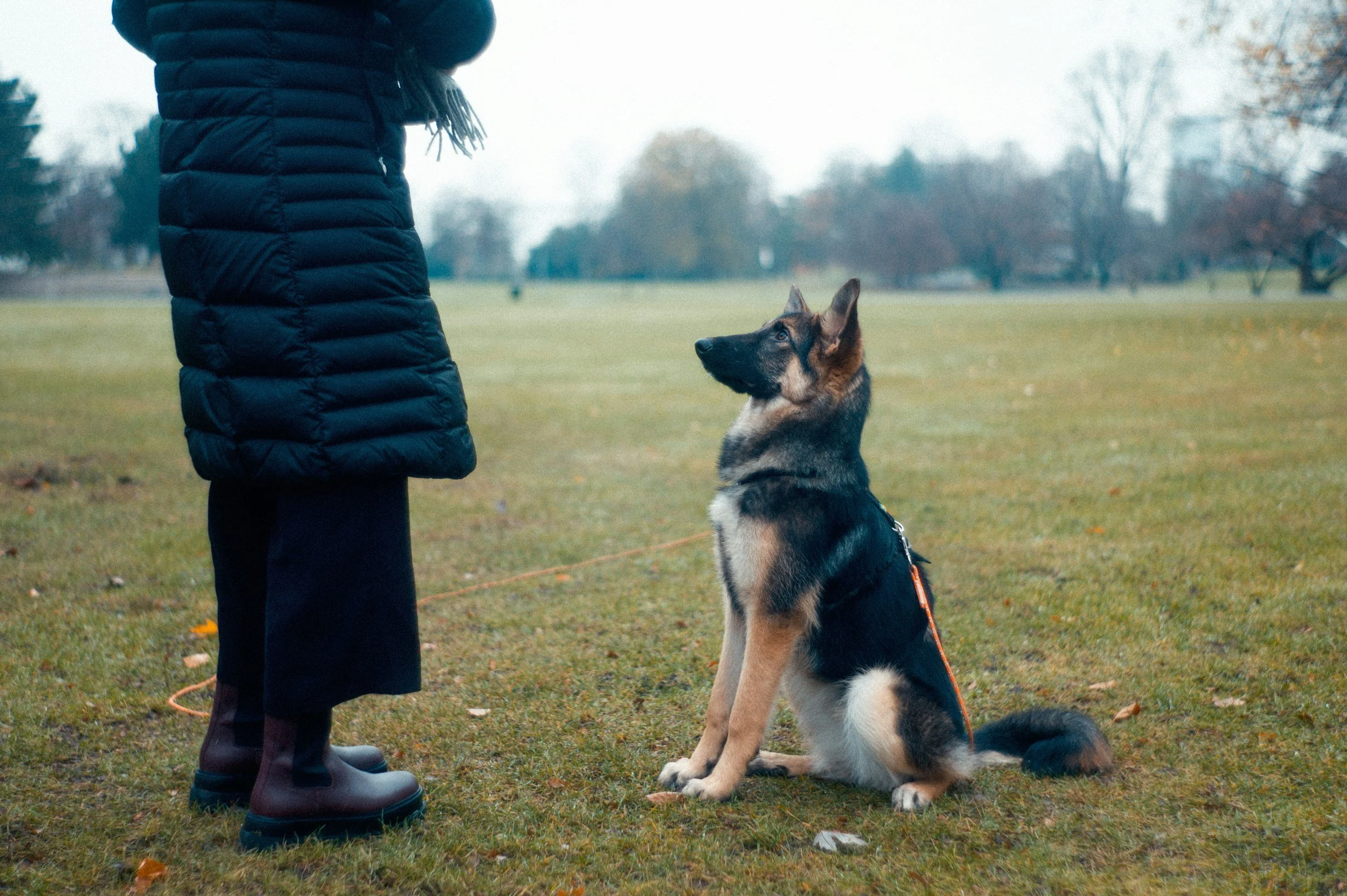
Positive Training vs. Balanced Training: What's the Difference - and What Does Science Say?
Positive reinforcement and balanced dog training can both produce changes in behaviour, but they don't achieve them in the same way. One focuses on reinforcement, management and teaching alternative behaviours. The other also uses corrections and aversive consequences. So what does the research tell us about effectiveness, welfare and the impact those choices can have on our dogs?

Rethinking Dog Training: One Size Fits None
Dog training doesn't have to be about obedience and control. Modern training looks at why behaviour is happening, how the dog is feeling and what they need in order to learn. By combining reinforcement with choice, clear communication and an understanding of the individual dog, we can teach useful skills without losing sight of the dog behind the behaviour.